During World War 2, the Allies were conducting heavy strategic bombing of Germany. The United States, flying primarily long-range B-17 and B-24 bombers, was flying from bases in Britain, and was conducting daytime, high-altitude precision bombing – precision in those days meant, thanks to the top-secret Norden bombsight, that most of a bomber stream’s bombs fell in or around the part of a city a factory or other installation was in, instead of being scattered about the landscape.
The problem was, the bombers were taking heavy losses from anti-aircraft fire and the Luftwaffe. The Allies didn’t yet have a fighter that could escort the bombers deep into Germany. That changed with the advent of the P-51 Mustang, a fighter that was a match for anything the Germans flew, and which had range enough to escort the bombers all the way. That was a game-changer.
Now, in the Pacific, in any possible conflict with China, we may find ourselves in a similar position: Our primary fighters, the F-35 and the F-22, are great but have short legs, requiring bases within China’s defensive envelope. Both sides, the United States and China, are currently in a contest of development that may well decide control of the Pacific, and any such conflict will be in large part an air war.

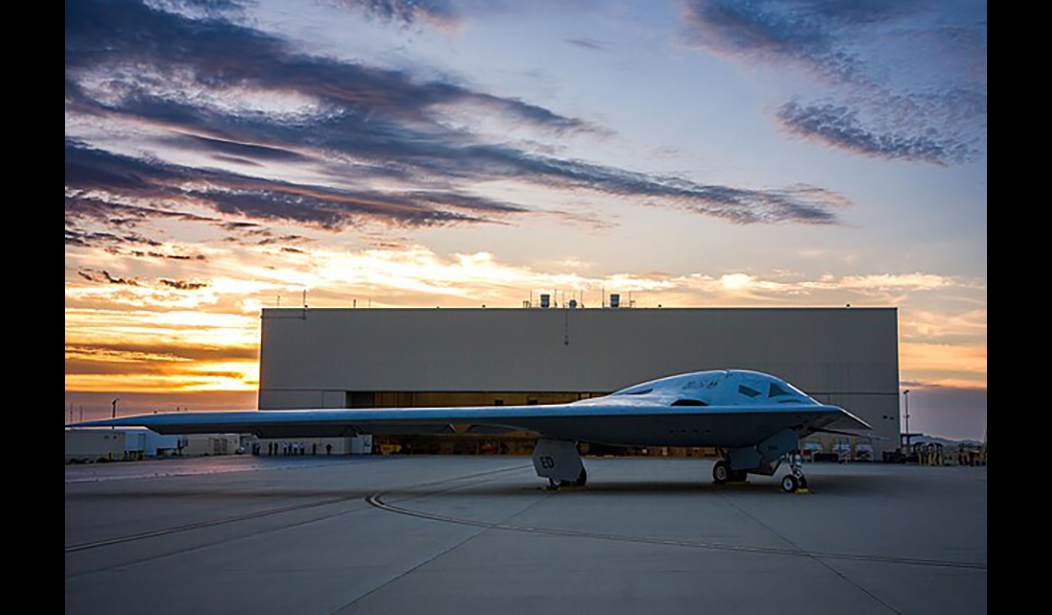
Our bombers have the advantage of being invisible; a Chinese interceptor pilot has to have an eyeball on the target before he can engage. But it’s not a great leap of logic to note that a big part of modern American aircraft’s long-distance capacity is based on in-flight refueling, and the tankers would seem to represent a vulnerability.
But the big problem may be our forward air bases. Like the Royal Air Force and the United States Army Air Force in World War 2, our fighters’ range mandates that they be based close to the battlefront, making the bases vulnerable to missile or drone swarm attacks. A long-range fighter would also seem to give us a great advantage.

Any future war in the Pacific will be a war of high technology: Not just missiles but autonomous drone swarms. The new F-47, now in design, is claimed to have the capacity of controlling several, in effect, drone wingmen, semi-autonomous, possibly AI-controlled escorts that can increase the survivability of our aircraft.
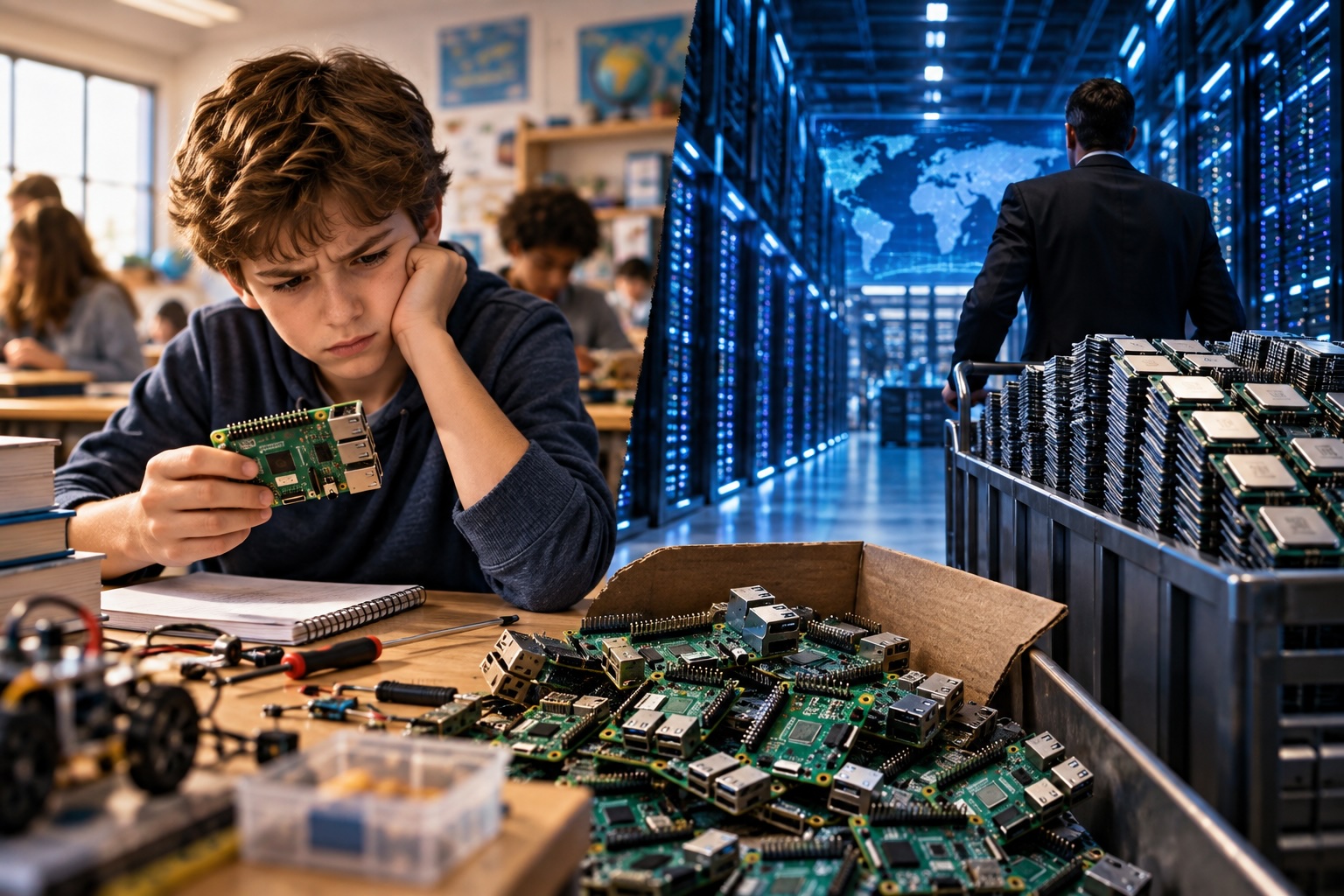
High technology, though, would seem to require high maintenance costs, not to mention time. The F-22 requires many more hours of on-ground maintenance for every hour of air time; much more so than the simpler, piston-engine fighters of World War 2. That will require not only highly trained technicians, but also a constant stream of not only fuel and munitions, but of high-tech repair parts.
Every war, every time, is won or lost by logistics. The side that can keep the most beans and bullets moving forward is the side that wins. That, more than anything else, will decide the future of any war in the Pacific.