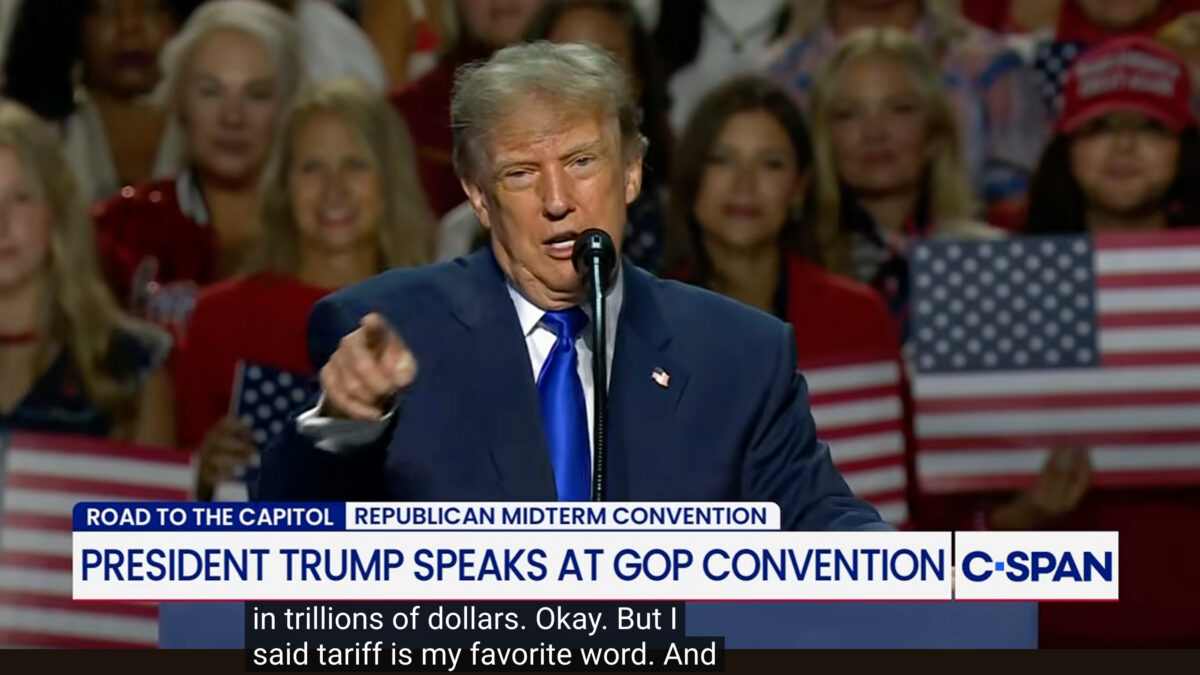
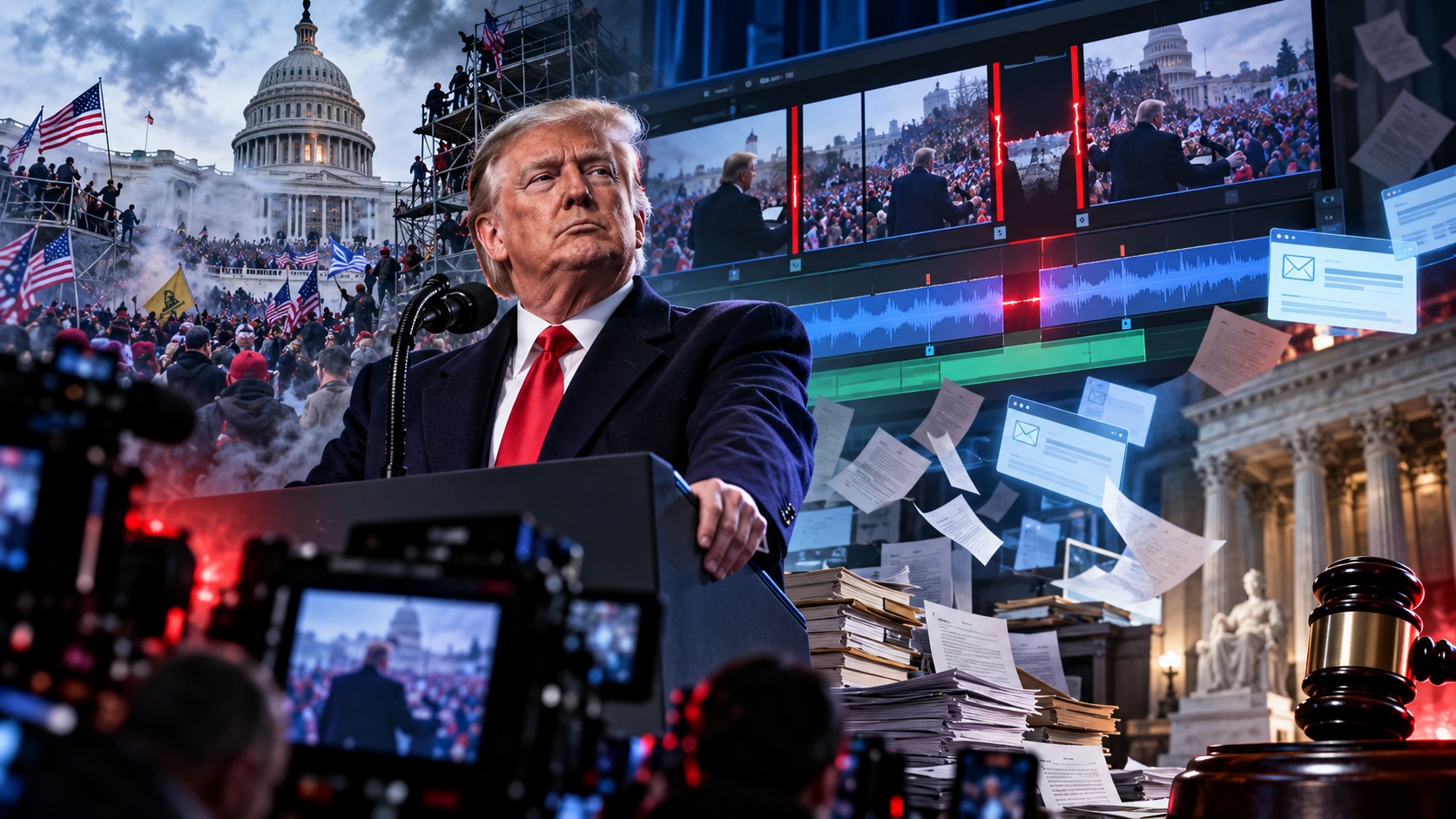
The BBC spliced President Trump’s January 6, 2021 speech, turning a 12-second clip into what sounded like one continuous call to “fight like hell” and march on the Capitol.
It is no mystery. Those “fight” lines were spoken by the president more than 50 minutes later in the real speech, which has been public for years. Still, despite that fact, Trump: A Second Chance? aired on BBC One on October 28, 2024, eight days before the U.S. presidential election.
President Trump’s lawyers say the BBC’s own emails are now the center of this multi-billion-dollar defamation case. They plan to use those messages to prove actual malice, and that Americans saw the program, the two things Florida law requires him to show.
The reckless, mishandled edit made the president look like he sent the mob to the Capitol.
Trump sued on December 15, 2025, in the Southern District of Florida, Trump v. British Broadcasting Corporation, No. 1:25-cv-25894. He wants $7–10 billion. The BBC calls it an “editorial error,” says the film never aired in the United States, and has asked the court to dismiss for lack of jurisdiction.
The BBC says iPlayer rules ban overseas viewing, so any U.S. watch was unauthorized and does not put the network in a Miami courtroom. A spokesman said the film “was never aired anywhere in the US, including the state of Florida,” and that the corporation is “continuing to challenge the jurisdiction of the Florida court.”
However, producers and a partner at October Films shared links with people in the United States, including instructions on how to use a VPN to bypass the U.K.-only lock. Court papers also cite BBC analytics showing play-starts attributed to Florida.
The fight
Trump’s team is using a letter from BBC chairman Samir Shah as an admission. Shah wrote that the cut “unintentionally created the impression of a single, continuous section” of the speech and gave “the mistaken impression that you had made a direct call for violent action.” He called it an error of judgment and apologized.
Then-director-general Tim Davie and news chief Deborah Turness resigned after the edit became public. In Florida, those resignations and Shah’s letter are the evidence the court will weigh: mistake, or bad faith. That is the BBC conceding the clip was misleading.
The remaining fight is over intent. Trump still has to prove actual malice: that the network published with knowledge the edit was false, or with reckless disregard for the truth. Attorney Alejandro Brito says Shah’s letter undercuts the “no malice” defense.
The BBC says “unintentional” is the opposite of a confession that editors knew the clip was false or refused to check.
Jurisdiction is the second fight. Trump’s lawyers say internal emails tell a different story.
The same batch of internal emails and documents, according to reporting on the filings, shows editors kicking around a title: Wanted: President Trump? with a mock wanted-poster graphic. The episode that aired was Trump: A Second Chance?
The BBC’s first motion to dismiss, filed March 16, 2026, was denied as moot after the court allowed an amended complaint in August 2026. A renewed motion against that complaint remains pending. Discovery is continuing.
The BBC’s first motion to dismiss, filed March 16, 2026, was denied as moot after the court allowed an amended complaint in August 2026. A renewed motion against that complaint remains pending. Discovery is continuing.