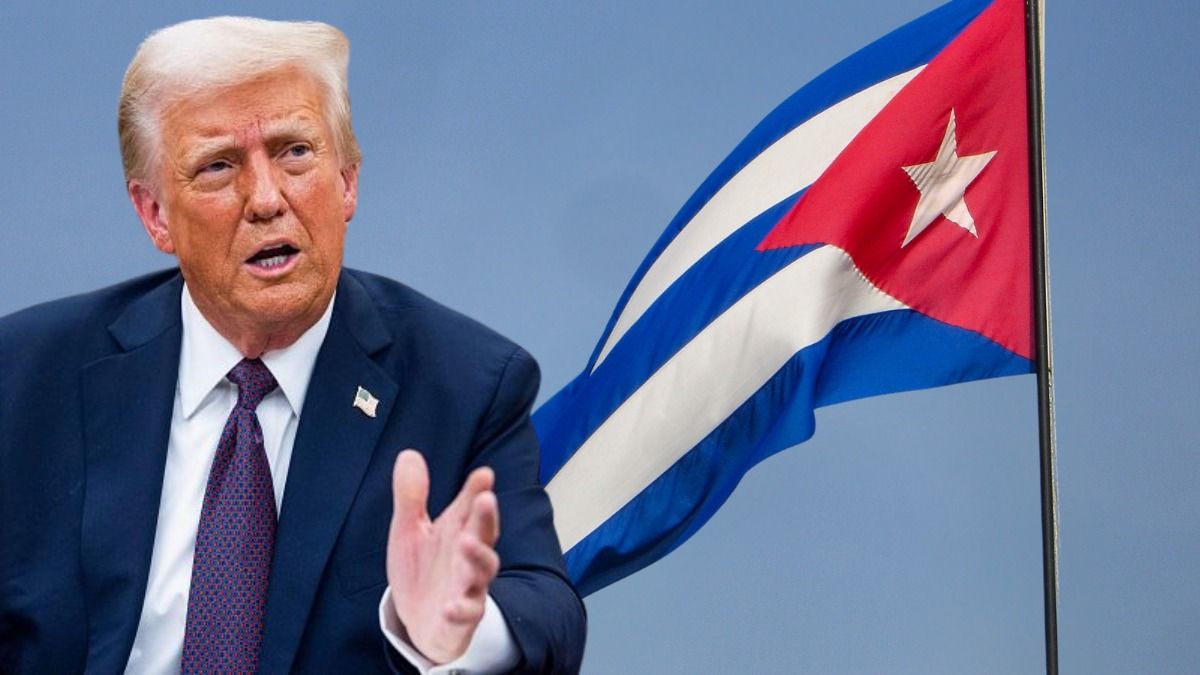
For nearly seven decades, communist rule in Cuba has survived not because it’s effective or works for the people it claims to serve, but because it was tolerated. Under President Donald J. Trump, that era of tolerance of communist regimes is rapidly coming to an end.
According to senior officials, the Trump administration is now driving an aggressive, confidence-driven push to dismantle the Cuban regime and secure a negotiated end to communist rule—potentially before the year is over. It is a move that reflects one of the defining aspects of Trump’s doctrine: tyrannies collapse when confronted directly, not when they’re coddled.
Unlike past administrations that treated Cuba as a permanent problem to be “managed,” Trump has treated it as it is—a solvable one. His team is reportedly exploring internal fractures within the Cuban government, identifying figures willing to break ranks and assist in a political transition.
While no final blueprint has been publicly unveiled, officials say the regime’s foundations have rarely been this weak. Years of economic decay and abject poverty compounded by the loss of external sponsors, have left those in charge of Havana exposed and isolated.
The decisive turning point came with the removal of Venezuelan communist strongman Nicolás Maduro—a victory widely credited to Trump’s uncompromising strategy. As a result, Cuba, long dependent on subsidized Venezuelan oil, has been thrown into economic free fall.
American intelligence assessments have described a system as one that is on the brink. Basic goods are scarce, medicines are disappearing, blackouts are routine, and fuel reserves are dwindling at an alarming pace.
Cuba’s leadership, once insulated by ideological allies in the region, is now facing the hard limits of reality. Without Venezuela’s oil, the regime’s economic model simply cannot function.
The Trump administration is making sure that no lifelines reappear. Officials are working to block any remaining Venezuelan energy flows to Cuba, cutting off the last mechanisms propping up the communist state.
This approach mirrors Trump’s broader hemispheric playbook outlined in the State Department’s National Security Strategy (NSS). The operation on January 3rd that resulted in Maduro’s capture succeeded because Trump’s team understood a basic truth: systems collapse from the inside once pressure becomes unavoidable.
That same insight now guides American efforts toward Cuba. Administration officials have intensified outreach to Cuban exile leaders and civic groups in Miami and Washington D.C., leveraging decades of experience and intelligence.
At the same time, Trump’s team is reportedly offering the regime a stark choice: negotiate an exit or face total isolation. Even figures long considered untouchable—like 94-year-old Raúl Castro and current president Miguel Díaz-Canel—are now part of that calculation.
President Trump himself has left no ambiguity about the stakes. Earlier this year, he issued a blunt warning that sent shockwaves through Havana.
“THERE WILL BE NO MORE OIL OR MONEY GOING TO CUBA – ZERO!” Trump declared in a January 11 Truth Social post, stripping away any illusions of compromise.
“I strongly suggest they make a deal, BEFORE IT IS TOO LATE,” he added—language that highlighted America’s restored leverage under his leadership.
Trump has systematically reversed decades of globalist appeasement that kept communist regimes alive through subsidies, loopholes, and moral cowardice.
For Cuban dissidents and exiles, the moment feels historic. America is signaling inevitability.
If successful, Trump’s Cuba strategy will represent one of the most consequential anti-communist victories since the Cold War. It would confirm what Trump supporters have long argued: when America leads with strength, history moves.