


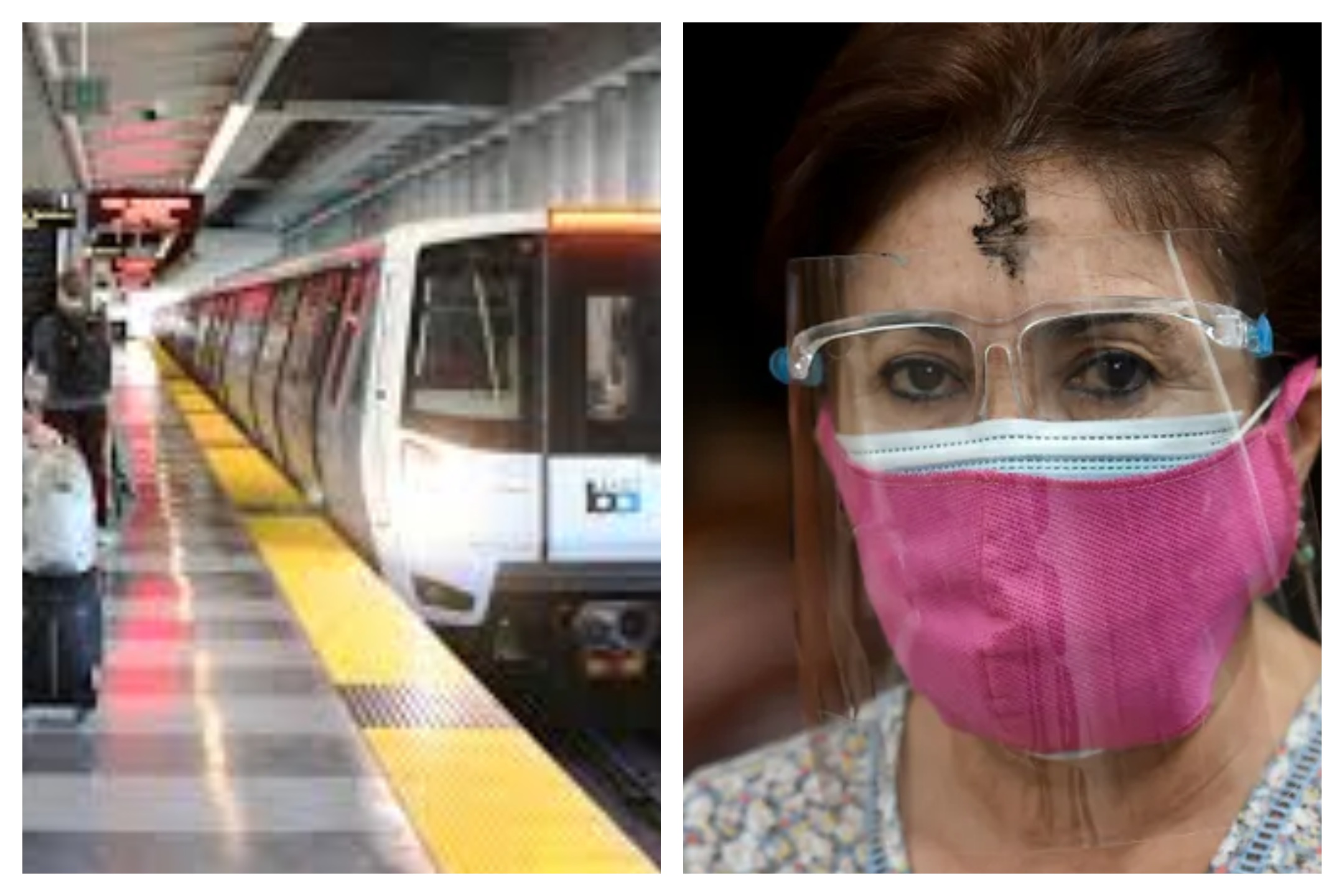
San Francisco’s sweeping COVID shutdowns continue to impact the city six years down the line, as the Bay Area Rapid Transit system (BART) faces a huge financial crisis.
COVID restrictions, of course, have long since ended in the U.S., although in SF it is not uncommon to see holdouts still wearing masks in public. The permanent-remote culture created by COVID, though, has continued to impact SF and its slow downtown recovery. BART ridership remains far below pre-2020 shutdown levels, and government officials are looking for additional tax revenue to prevent cuts.
BART leadership has stated that if Bay Area voters do not pass a regional sales tax to fund the transportation system, severe cuts to service will begin in January 2027. In addition, station closures would begin in July 2027.
Beyond any tax proposals, though, the fact remains that this situation was 100% predictable given SF’s all-or-nothing response to the pandemic. While many companies have forced workers to come back into the office for at least part of the week, much of the damage to the downtown economy was already done. People had an all-encompassing excuse to refuse to return to work, resulting in shuttered businesses and strains on the city’s public services.
In addition to a ridership problem, BART has also faced a fare evasion problem, although San Francisco has thankfully recovered its sense on crime in the last few years. The installation of new gates in the stations has cut fare evasion by more than half, according to reports.
The agency had previously warned about the possibility of drastic cuts due to remote work culture in 2024. While ridership had “bounced back” then, it was still down by 50% from pre-shutdown levels, due to the Tuesday through Thursday three-day in-office schedule.
Even if the tax measure passes, it is unclear what the city’s long-term plan for its downtown and transit is beyond hand-wringing. It turns out that when you encourage people to stay home for two years and they want to continue doing so indefinitely, businesses don’t magically come back to life.
