A growing chorus of lawmakers, activists, and survivors are now sounding the alarm over what they describe as a silent human rights crisis unfolding deep inside the interior of the United States of America, and one that exposes the catastrophic failure of multicultural policies and left-liberal globalist cowardice.
Female genital mutilation (FGM), a brutal, archaic, and barbaric practice rooted in many parts of the Islamic world and certain tribal traditions, remains illegal in the Western world, and of course Minnesota. Yet despite being classified as a felony in the state since 1994, oddly there has not been a single documented criminal prosecution.
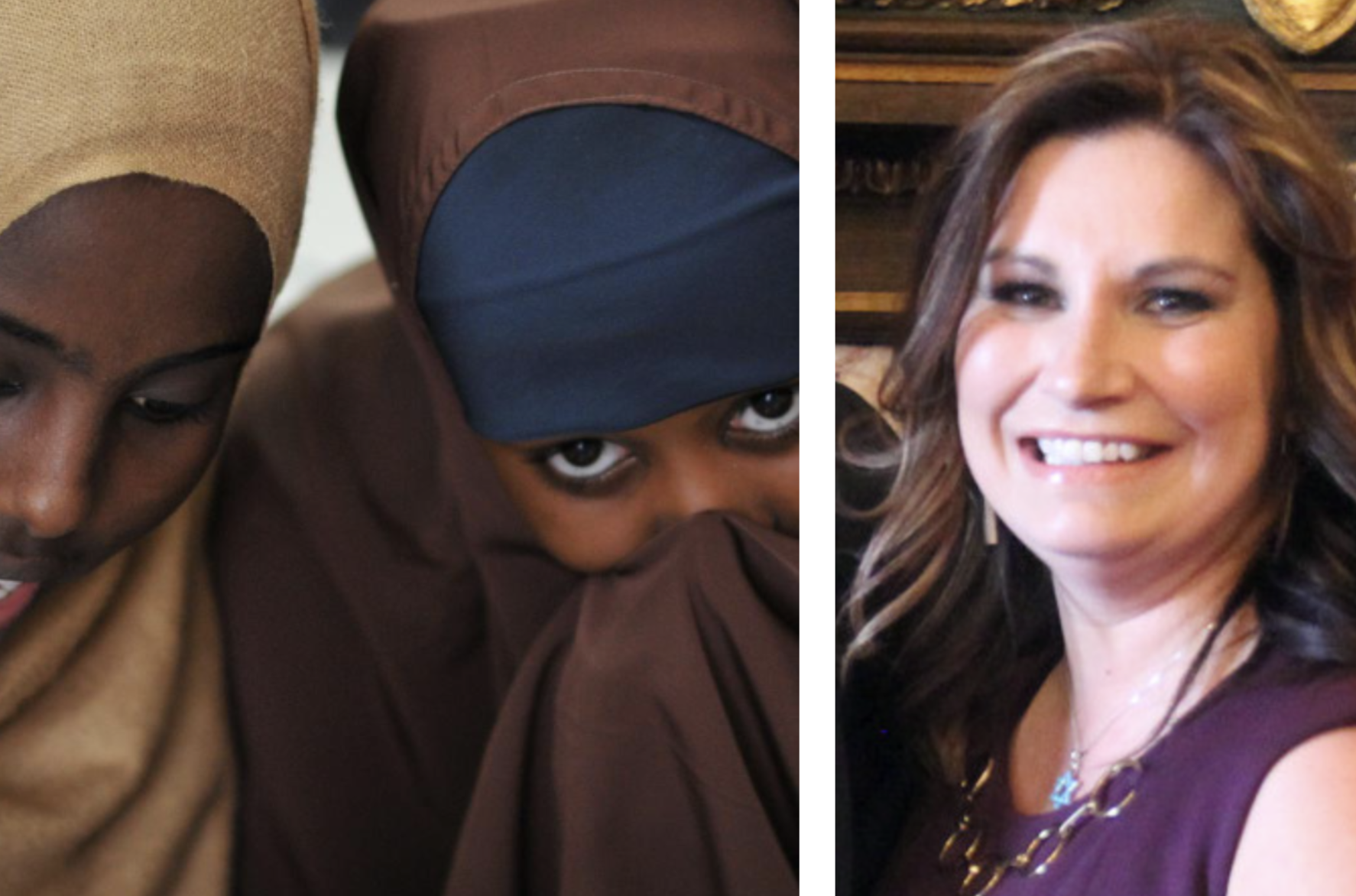
It should be noted that Minnesota is home to the largest Somali population in America. Per United Nations data, approximately 98% of women in Somalia between the ages of 15 and 49 have undergone some form of genital mutilation.
In the United States, the Centers for Disease Control and Prevention estimated nearly a decade ago that more than half a million women and girls in the United States have either undergone or are at risk of FGM. Updated figures have not been released.
Despite these jaw-dropping figures, a review of publicly available court records in Minnesota found no evidence of prosecutions or professional sanctions tied to FGM. State officials have not identified any cases brought under the felony statute.
Minnesota State Representative Mary Franson, a Republican, has raised concerns that the practice remains hidden behind a culture of silence among the Somali community and radical political hesitation among liberal lawmakers. She says secrecy within close-knit, largely walled-off migrant communities makes detection of the barbaric practice extraordinarily difficult.
“It’s hidden,” Franson has explained in public remarks, emphasizing that perpetrators are likely to include family members or individuals shielded by community ties.
Survivors of the abuse say the silence is enforced by fear, shame, and social pressure. Zahra Abdalla, who now works with a nonprofit organization, has harrowingly recounted being forcibly restrained as a young child while women carried out the procedure with a razor blade and no anesthesia.
She described being tied down and held as the cutting began. She has said that she still carries the physical and psychological scars decades later.
Another survivor and advocate, Ayaan Hirsi Ali, has spoken out forcefully against the practice. She has described FGM as violence against children that causes lifelong trauma, infections, childbirth complications, and emotional devastation.
Hirsi Ali is urging lawmakers to impose stronger enforcement policies of federal law and is calling for decisive executive action. She has stated that no cultural or religious justification can excuse the mutilation of an innocent child.
Congress criminalized FGM at the federal level as far back as 1996, and the Stop FGM Act, signed into law in 2020, expanded federal jurisdiction to include interstate and international travel related to the procedure. Despite this, oddly, prosecutions remain rare nationwide.
In Minnesota, responsibility for enforcing the state ban lies with county prosecutors. The Minnesota Attorney General’s Office has stated that it does not directly handle such cases.
Complicating matters even further, the Minnesota Department of Health does not track specific data on FGM, and without systematic data collection, the true scope of the problem remains entirely unclear.
The absence of prosecutions does not mean the practice has disappeared, obviously, but suggests that political sensitivity around immigration and religion has discouraged aggressive enforcement—or any enforcement at all.
Some survivors, across Europe and America, say that families may send young girls abroad during school breaks to undergo the procedure in countries where it is common. In such cases, the crime becomes even harder to detect.
The issue intersects with national politics. In past public forums, Minnesota Representative Ilhan Omar has pushed back against repeated demands that she specifically condemn FGM, arguing that she has already spoken against it.
Meanwhile, bipartisan legislation has been introduced in Minnesota to create a task force focused on prevention. The proposal was reportedly prompted by concerns raised by women within the Somali community itself.
Representative Franson says that her involvement in related legislation has drawn accusations of racism, insisting that confronting child abuse ought not be derailed or blocked by political labeling.
Around the world, the United Nations and World Health Organization classify FGM as a human rights violation tied to attempts to control female sexuality and enforce brutal archaic norms in cultures entirely alien to the West. The practice can result in chronic pain, severe bleeding, infertility, and in some cases, death.
Logically, medical professionals tend to be the first to encounter adult survivors during childbirth or gynecological care. Yet mandatory reporting has not translated into visible criminal enforcement in Minnesota.
The gap between law and prosecution has fueled broader debates about assimilation, accountability, and the excesses of multicultural societies.
Advocates of stricter immigration controls and stronger assimilation policies, of which there’s an increasing amount of, contend that American law must be enforced equally across communities and without fear of accusations of racism. Protecting vulnerable girls has to outweigh concerns about political optics, they argue.
As lawmakers consider new prevention and enforcement measures, the core question remains unanswered: if FGM is a felony in the state of Minnesota and the risk population is documented, why has there not been a single prosecution?