


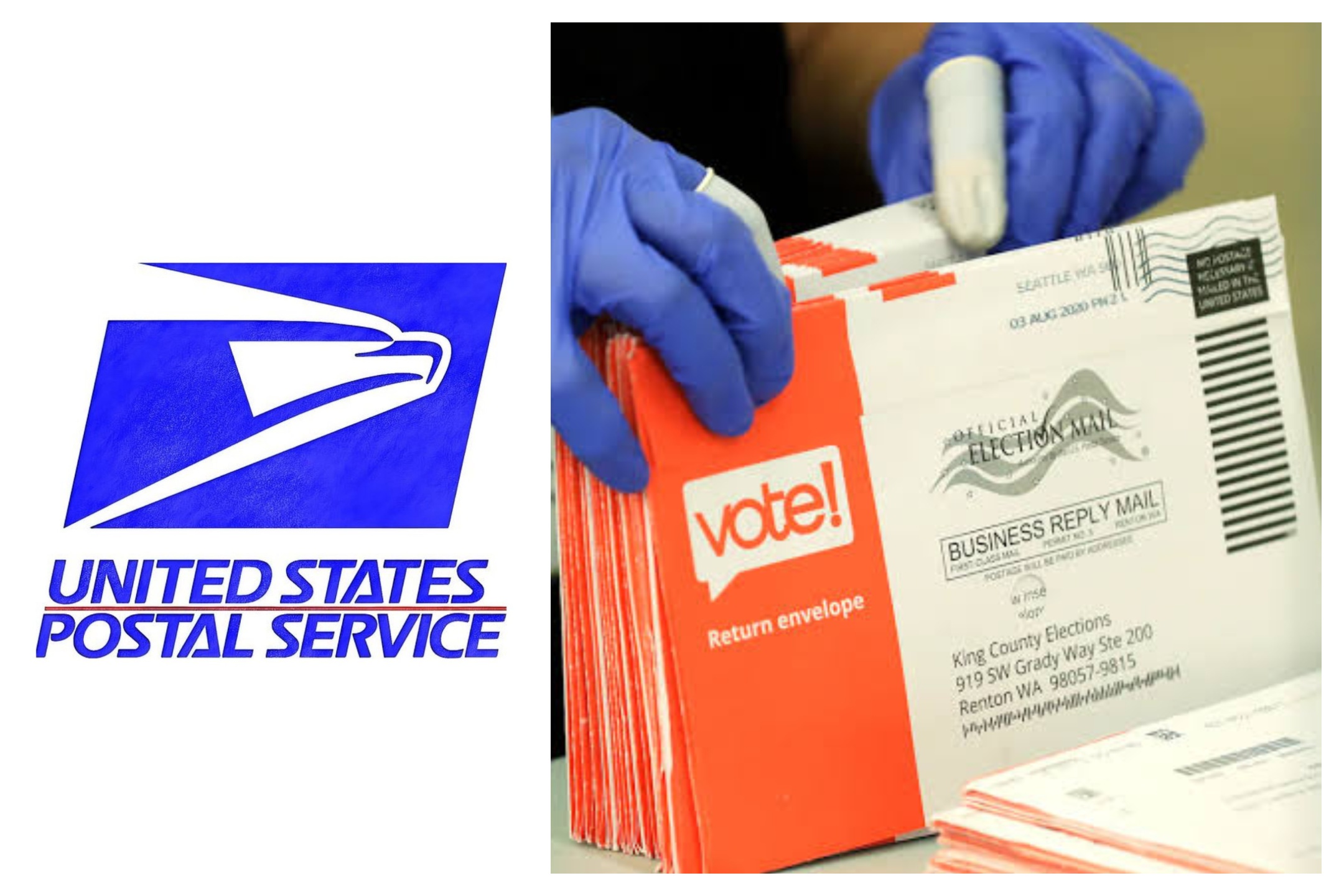
State election officials may soon need to provide voter lists to the U.S. Postal Service to ensure mail-in ballots are delivered under new rules proposed to implement President Donald Trump’s executive order aimed at securing American elections.
The March 2026 executive order directs federal agencies to strengthen safeguards against vulnerabilities in mail-in voting, a system President Trump has long warned is susceptible to fraud and abuse. By conditioning USPS delivery of ballots on states meeting basic verification standards—including sharing lists of voters slated to receive mail ballots—the administration seeks to confirm eligibility and prevent ineligible votes from being cast.
Administration officials maintain these steps are essential to restoring public confidence in elections. “The entire Trump Administration will continue lawfully enacting the agenda President Trump was elected to enact – which includes the safety and security of American elections,” White House spokeswoman Abigail Jackson said. The administration expressed confidence the order will be in place for the November midterms.
The proposed USPS regulations build on the executive order by requiring states to submit voter lists and meet envelope standards with tracking barcodes. While states retain control over their voter rolls, non-compliant jurisdictions risk disruptions in mail ballot delivery, incentivizing cooperation with federal efforts to verify citizenship and eligibility. The Department of Homeland Security is also developing state-by-state citizenship data to assist in accurate voter roll maintenance.
Critics, primarily from Democratic-led states, have filed lawsuits claiming the measures infringe on state authority. However, a federal judge in Washington, DC, recently declined to block the order, clearing a key initial hurdle and allowing implementation to proceed. The Justice Department has pushed back against rushed appeals, arguing there is no justification for blocking common-sense security protocols.
Proponents emphasize that these requirements protect the integrity of the vote without eliminating mail-in options. States can continue programs that comply with eligibility checks, and many larger jurisdictions already use compatible tracking technologies. The administration has indicated funding support for USPS to develop a submission portal.
This initiative addresses documented concerns over mail-in processes, including risks of ballots reaching ineligible recipients. DHS is working to make citizenship information available to states, complementing existing verification tools. Election security advocates view the measures as a lawful exercise of federal authority over postal delivery to safeguard the process.
While some election officials have raised feasibility questions, the Trump administration stresses that securing elections is a priority that outweighs bureaucratic resistance. Similar data requests by the Justice Department aim to ensure only American citizens participate in federal elections.
As legal challenges play out, the administration remains focused on delivering the secure election system voters demanded. By requiring basic cooperation from states, the rules promote accountability and help prevent the very fraud risks that have eroded trust in prior cycles.
