
The Trump administration is pulling back the curtain on what officials describe as one of the largest fraud disasters in modern American history—exposing a staggering wave of abuse that siphoned tens of billions from taxpayers while Washington looked the other way.
Now, under President Donald Trump, that era is ending. The administration is moving aggressively to recover stolen funds, prosecute offenders, and restore accountability to a system critics say was left wide open for exploitation.
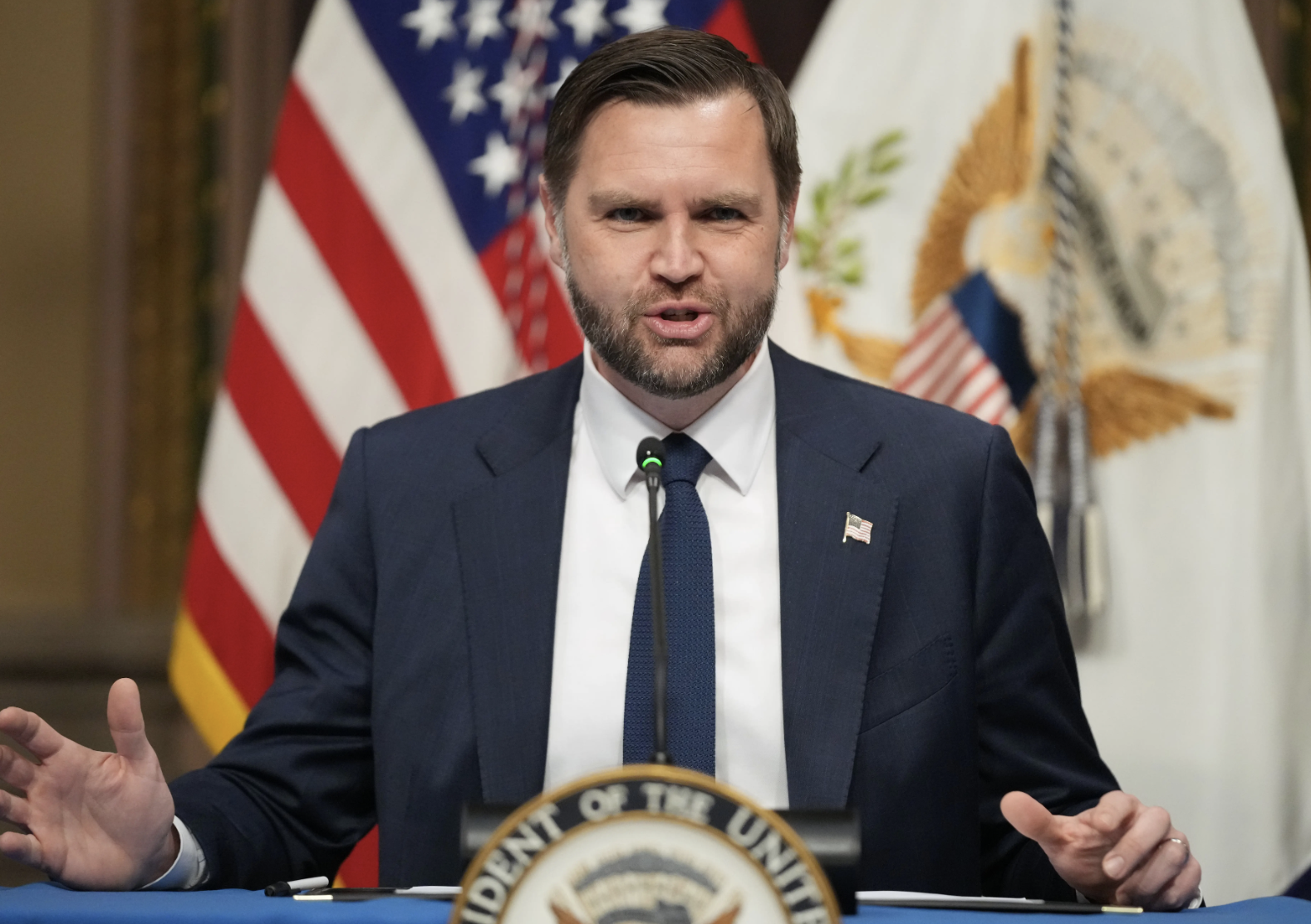
Vice President JD Vance delivered a blunt assessment Tuesday: the scale of fraud uncovered so far is only the beginning.
“We exposed billions of dollars in benefits that had been stolen from the American people,” Vance said, framing the crackdown as a direct defense of working taxpayers.
The numbers are staggering—and still climbing. More than $22 billion in fraudulent small business loans have already been referred for recovery.
Another $1.3 billion in fraudulent Medicaid reimbursements has been stopped, much of it tied to states where oversight broke down entirely.
Investigators have also identified $6.3 billion in suspect government contracts, many of them awarded during a period of unchecked federal spending.
And $60 million in student aid fraud has been blocked—money that was supposed to go to American students but instead lined the pockets of fraudsters.
But the real bombshell is the broader estimate. Vance pointed to roughly $135 billion that was effectively looted after COVID-era programs threw open the floodgates.
“We’ve recovered taxpayer funds from the $135 billion stolen,” he said, describing a system that had been overwhelmed and exploited on a massive scale.
For millions of Americans, the revelations confirm what they long suspected: that runaway government spending, weak enforcement, and bureaucratic mismanagement created the perfect conditions for fraud.
The Trump administration is now positioning itself as the force restoring order. After years of what critics describe as chaos and negligence, the focus has shifted to enforcement, discipline, and results.
Federal Trade Commission Chairman Andrew Ferguson underscored the broader implications. The fraud explosion, he said, reflects a deeper collapse of trust across American society.
“It’s why security guards are seen at every store in America,” Ferguson said. “The social trust has evaporated.”
That same breakdown, officials argue, allowed federal programs to become easy targets. Systems meant to protect the vulnerable were instead turned into pipelines for criminal networks.
The response from Washington has been swift and forceful. A newly created Justice Department fraud division has already launched more than 450 enforcement actions in just weeks.
Assistant Attorney General Collin McDonald said the pace of prosecutions reflects the scale of the crisis. In just 50 days, authorities have begun dismantling major fraud operations across the country.
Some of those cases are massive. Officials cited a $650 million Medicaid fraud scheme in Arizona and a separate $270 million scheme in California.
These are not isolated incidents. They are part of a nationwide pattern of abuse that flourished in an environment of weak oversight and rapid spending expansion.
To combat it, the administration is mobilizing both federal and state resources. Attorneys general are being called on to bring investigators, data, and prosecutorial power to the fight.
Vance emphasized that fraud should not be political. “This should not be a partisan effort,” he said—but made clear that action can no longer be delayed.
At its core, the crackdown is about restoring accountability. After years in which fraudsters operated with near impunity, the system is finally pushing back.
And the consequences of that fraud are real. Officials warn that stolen funds don’t just disappear—they come directly at the expense of Americans who depend on these programs.
“This is not a victimless crime,” Vance said. “We’re protecting the American taxpayers, and we’re protecting the people who actually need these services.”
He pointed to a chilling example: a Medicaid-funded caregiver who neglected a vulnerable patient while continuing to collect payments. The victim died as a result.
“That person lived their final moments neglected, while a fraudster got rich,” Vance said, highlighting the human cost of systemic failure.
In response, the administration is tightening controls across multiple programs. Certain healthcare enrollments have been frozen, particularly in sectors riddled with fraud.
States are also being pushed to establish dedicated anti-fraud units, backed by federal funding and expanded enforcement powers.
The strategy is clear: shut down the pipelines, prosecute aggressively, and make fraud too risky to attempt.
For many Americans, the crackdown represents a long-overdue correction. The scale of the abuse suggests not just isolated failures, but a system that had lost control.
Now, under Trump, the message is unmistakable. The free-for-all is over—and those who exploited it are being hunted down.