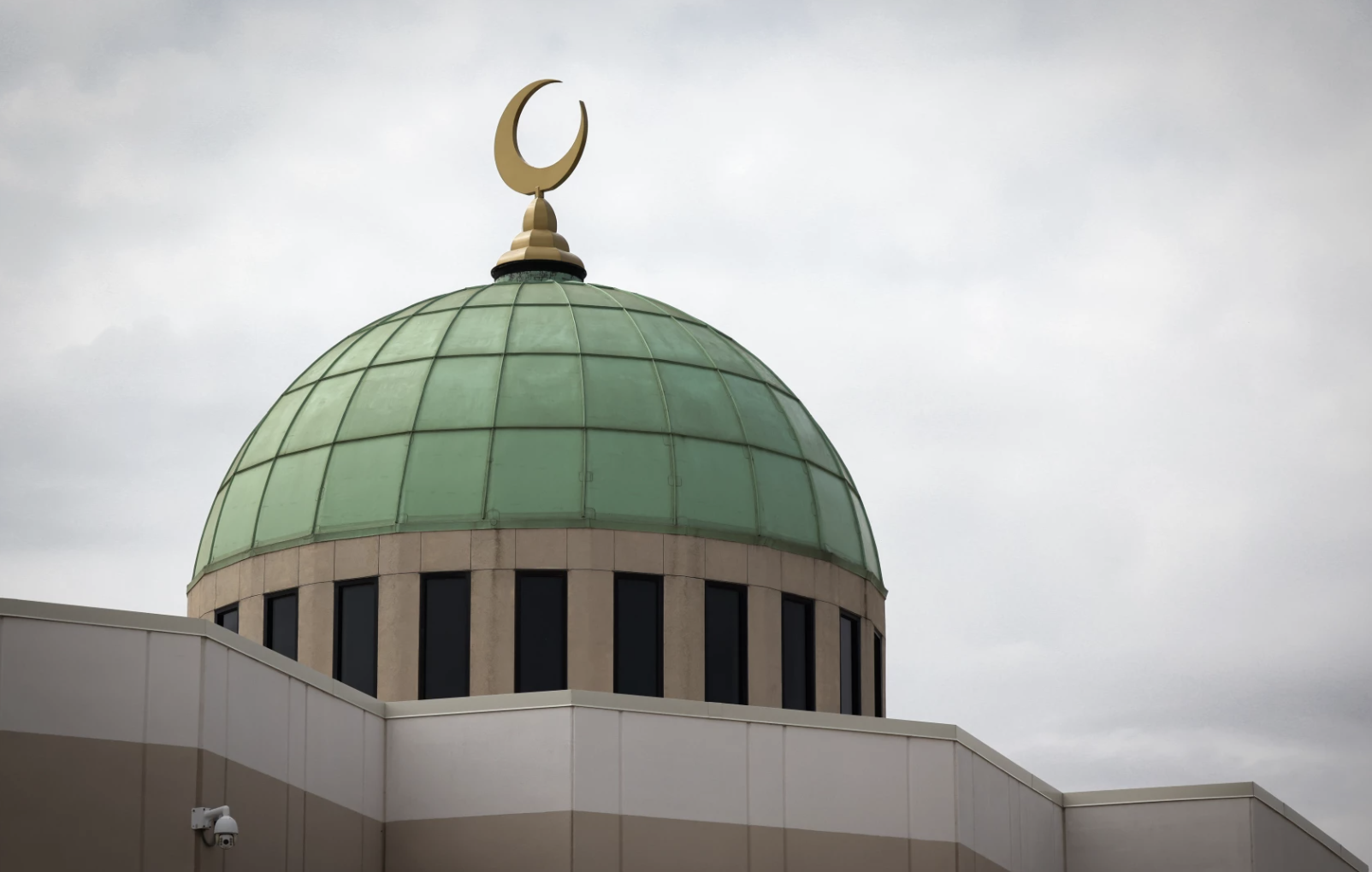
A political storm is intensifying across Texas and the wider United States as lawmakers warn that the rapid expansion of Islamic institutions—particularly the existence of more than 600 mosques and related organizations—signals a deeper shift in the country’s cultural and legal landscape. Allies of President Donald Trump say the figure alone should be a wake-up call.
At the center of the debate is Rep. Chip Roy, who has made the “600 organizations” figure a cornerstone of his argument. He claims the number reflects not just demographic growth, but a broader ideological presence that demands scrutiny.
“There’s a movement across the United States that seeks to overthrow the legal system and our Constitution,” Roy said during a recent congressional hearing. He tied that warning directly to the scale and growth of Islamic institutions in Texas.
Roy has argued that the presence of hundreds of mosques and organizations is not politically neutral. While acknowledging that individuals practice religion differently, he warned that some interpretations of Sharia could conflict with American constitutional principles.
According to a report from the Houston Chronicle, the issue exploded into national attention during a House Judiciary Subcommittee hearing focused on what lawmakers described as protecting Americans from alternative legal systems. The discussion repeatedly returned to the scale of Islamic infrastructure, with the “600” number cited as evidence of rapid expansion.
Supporters of Roy say the number reflects what many Americans are already seeing in their own communities. They argue that the growth of mosques, schools, and affiliated organizations is reshaping neighborhoods in ways that policymakers have failed to address.
Among the most striking testimony came from Krista Schild of the RAIR Foundation, who described visible cultural changes in parts of Texas. She warned that some areas are beginning to “resemble the Middle East,” framing the issue as one of national identity.
Roy has also linked the expansion of these institutions to foreign funding. He pointed to financial flows from countries such as Qatar into education and research programs, raising questions about influence and long-term intentions.
The presence of more than 600 organizations, he argued, makes it imperative to examine where money is coming from and how it is being used. For Roy, transparency is not optional—it is essential to national security.
These concerns have resonated strongly among conservative voters. Many see the number itself—hundreds of institutions—as evidence that the issue is no longer hypothetical but deeply embedded in American society.
In response, Roy and Rep. Keith Self launched the Sharia-Free America Caucus, a group that has grown rapidly in recent months. Lawmakers involved say the expansion reflects rising concern among both politicians and the public.
“The fact that it’s 40 really quickly is a pretty big deal,” Roy said of the caucus’ membership. He suggested that awareness of the issue is spreading as more people take a closer look at developments in their communities.
Self reinforced that point, noting that new members continue to join. “We’re adding people every week,” he said, describing what he sees as a growing national movement.
At the state level, the issue has reached voters directly through a Republican primary ballot proposition calling for a ban on Sharia law. While symbolic, the measure is widely viewed as a test of public sentiment.
“I think it needs to pass,” Roy said, urging voters to support the initiative. He emphasized that the ballot measure is only the beginning of a broader legislative effort.
State Rep. Brent Money described the expansion of Islamic organizations as a central challenge facing Texas. He called it “the biggest threat to Texas right now,” pointing directly to the scale reflected in the 600 figure.
Money also stressed the importance of stronger enforcement and border security. He argued that without firm action, the growth of such institutions will continue unchecked.
That argument aligns closely with the legacy of Trump’s America First policies, which emphasized national sovereignty and strict border control. Supporters say those policies were designed to prevent exactly this kind of situation.
Governor Greg Abbott has also acknowledged the growing concern among voters. He pointed to the ballot initiative as evidence that Texans are paying attention.
“Even though I’ve signed a law that bans Sharia law in the state of Texas, this is going to be something that we take… and make more crystal clear and more expansive,” Abbott said.
Critics, including Rep. Mary Gay Scanlon, have dismissed the focus on the 600 organizations as exaggerated. They argue that there is little evidence of Sharia law being imposed on Americans.
However, proponents counter that the scale itself is the issue. They argue that waiting for overt legal conflicts ignores the gradual nature of cultural and institutional change.
Even some Republicans have urged caution in interpreting the data. Rep. Tom McClintock emphasized that religious freedom must remain protected, while also maintaining that the Constitution is supreme.
Meanwhile, organizations such as the Council on American-Islamic Relations have rejected the accusations outright. They argue that such rhetoric unfairly targets Muslim communities and fuels division.
Despite that pushback, the political momentum shows no signs of slowing. For many voters, the number—600 and growing—has become a symbol of broader concerns about identity, sovereignty, and the future of the country.
Roy has been clear about what he believes needs to happen next. He has called for investigations into funding sources, legal reviews of organizations, and aggressive enforcement of existing laws.
“How about looking at all 600 organizations… and cut it off?” he said, outlining a strategy centered on financial oversight and accountability.
Supporters say this approach reflects a shift toward proactive governance. Rather than reacting to crises, they argue, policymakers must address underlying trends before they escalate.
The debate is also being shaped by developments in Europe, where similar concerns about integration and parallel institutions have become politically dominant. Many conservatives view those experiences as a warning for the United States.
As the Republican primary unfolds, the issue is expected to remain front and center. Party leaders have already indicated that it will be a major topic at upcoming conventions.
For voters, the stakes are framed in stark terms. The question is no longer whether change is happening, but how the country chooses to respond.
With Trump’s influence continuing to shape the national conversation and figures like Roy driving the debate, the focus on the “600” is unlikely to fade. Instead, it is becoming a defining symbol of a broader political and cultural battle over America’s future.