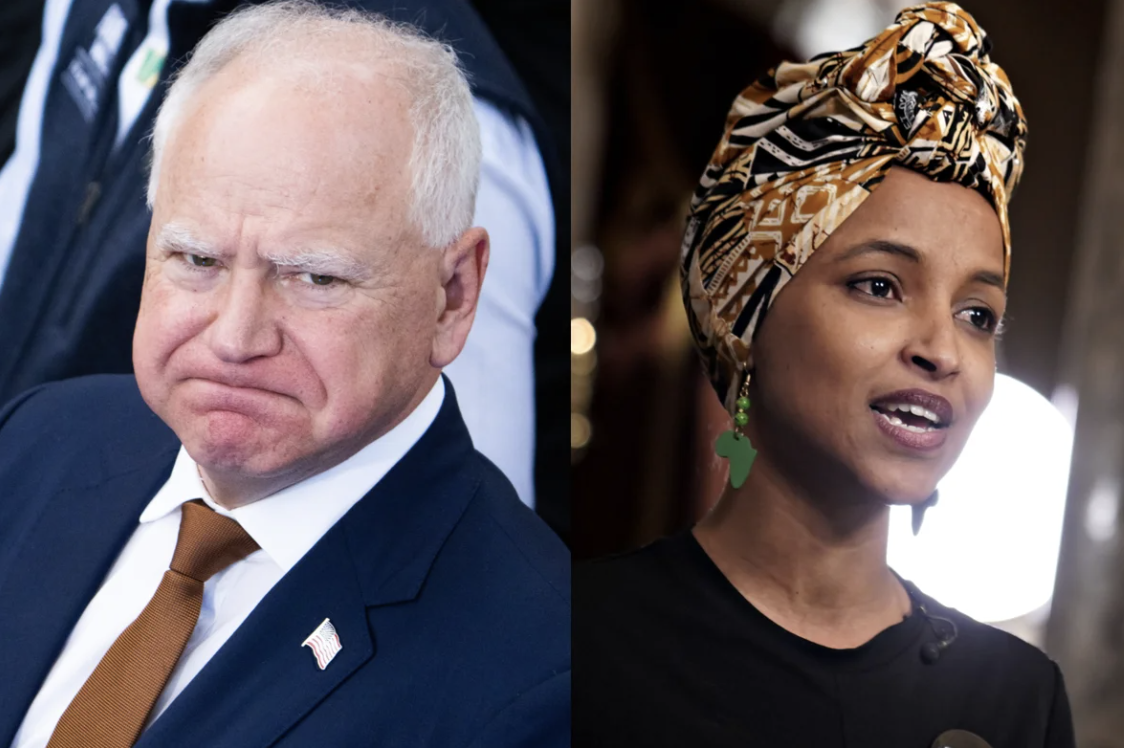
Rep. Ilhan Omar is under intensifying scrutiny after the convicted architect of Minnesota’s staggering $250 million COVID-era fraud scheme claimed the congresswoman was not only aware of the operation—but actively engaged as it unfolded.
“I struggle to believe that she wouldn’t have known,” said Aimee Bock, the disgraced founder of Feeding Our Future, speaking from jail as she awaits sentencing.
The explosive allegation, reported on by the New York Post, has reignited demands for a full-scale investigation into Omar’s potential role in what prosecutors have described as one of the largest pandemic fraud scandals in the United States.
At the core of the case is a sprawling network accused of exploiting emergency COVID waivers to siphon off taxpayer funds intended to feed vulnerable children. Instead, authorities say, millions were funneled into a web of shell companies and fraudulent claims.
Federal investigators have painted a picture of systemic abuse—fake meal counts, fabricated invoices, and nonexistent distribution sites used to extract massive sums from government programs.
The scale is staggering. At least 78 individuals have been charged, with many already pleading guilty in a scheme that law enforcement says operated in plain sight.
“This is a profound betrayal of public trust,” federal officials have said, noting that funds meant for hungry children were instead used to bankroll lavish lifestyles and luxury purchases.
Bock, who was convicted in 2025 on multiple counts including wire fraud and bribery, has long denied orchestrating the entire operation. But her latest claims shift the spotlight squarely onto political leadership.
According to trial evidence, Omar’s name surfaced repeatedly in emails and text messages tied to the program.
Bock alleges those communications were tied to efforts to maintain and extend federal waivers—loopholes that dramatically reduced oversight and opened the floodgates for abuse.
“There were a lot of people reaching out to her office… to work through some of those gaps,” Bock said, describing what she portrayed as direct lines of communication.
Those waivers, introduced during the pandemic under emergency authority, allowed food distribution programs to operate without the usual inspections and accountability measures.
In practice, prosecutors argue, they became the backbone of the fraud—enabling bad actors to scale operations rapidly with little scrutiny.
Omar has not responded publicly to the latest accusations, and no charges have been filed against her. But the silence has only fueled further questions.
A Minnesota state oversight committee has already recommended deeper inquiry, including the possibility of subpoenas to obtain communications and records.
The political implications are significant. The scandal strikes at the intersection of public policy, pandemic emergency powers, and accountability at the highest levels.
Beyond the political dimension, the fraud itself continues to expand. Investigators have uncovered links to additional schemes involving housing subsidies, Medicaid, and autism services.
Each new case adds to the sense that the Feeding Our Future scandal was not an isolated incident—but part of a much broader pattern.
Federal prosecutors have suggested that total losses across multiple programs could reach into the billions, raising alarm about systemic vulnerabilities.
Investigators have also examined financial flows beyond U.S. borders, including reports of funds being transferred overseas.
The case represents a perfect storm: massive government spending, relaxed oversight, and political reluctance to intervene.
Internal communications show that warnings about suspicious activity were raised early. Yet, according to testimony and documents, those warnings were met with hesitation—or outright inaction.
“That’s my biggest regret,” Bock said, referring to what she described as authorities failing to act decisively despite clear red flags.
The scandal is being cited as a textbook example of what happens when enforcement collapses and oversight disappears.
They argue that the fraud underscores the need for aggressive federal intervention, stricter vetting, and zero tolerance for abuse of taxpayer-funded programs.
In response, the Trump administration has moved to tighten enforcement across the board—expanding investigations, increasing scrutiny, and signaling that no case is off-limits.
Supporters say the approach is long overdue. In their view, the failure was not just criminal—it was institutional.
The Minnesota scandal has become more than a local story. It is now a national flashpoint in debates over governance, corruption, and the limits of emergency power.
And as investigators continue to dig deeper, one question continues to dominate: how such a massive operation could have unfolded—and whether those in positions of authority truly had no idea.
For now, the answers remain incomplete. But the pressure for them is only growing.