


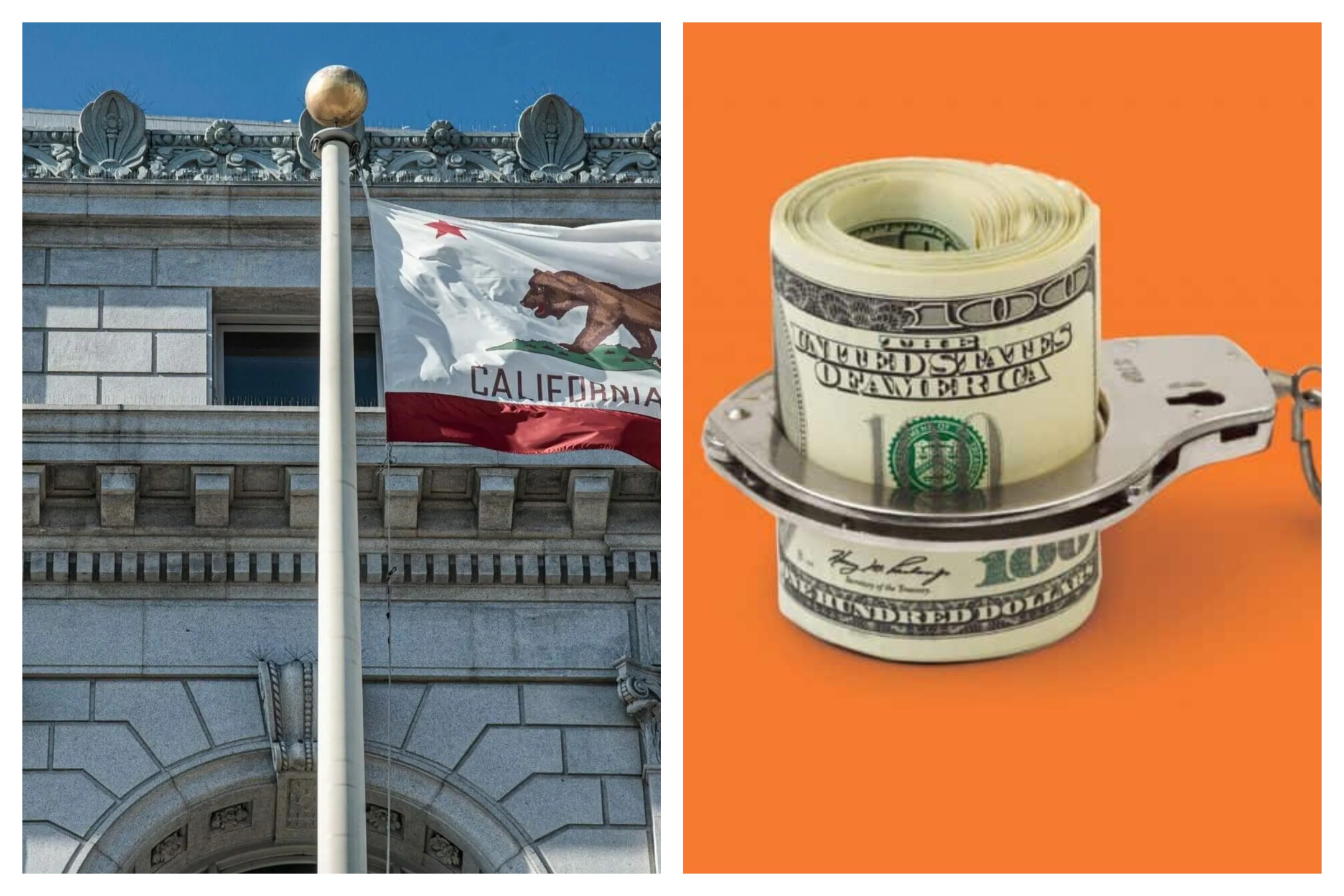
Californian voters and even its political class may have embraced a tougher-on-crime stance in recent years, but the state’s esteemed judiciary is doing its best to make life easier for criminals.
A recent California Supreme Court ruling found that bail must be “attainable” for accused criminals, in accordance with their financial situation. Since only people charged with violent crimes can be detained prior to trial if their bail is “unattainable,” the decision bolsters drug dealers, thieves, and other career criminals who fall short of this threshold.
San Francisco District Attorney Brooke Jenkins criticized the court’s move, saying that it would reverse the city and state’s progress on crime over the past few years. According to Jenkins, “We have been able to detain prolific retail thieves, and now they will all be released.”
Jenkins has regularly clashed with leftist judges since she took office as San Francisco DA in 2022, following the recall of the city’s former pro-crime DA Chesa Boudin. She had previously stated that the majority of judges in San Francisco “[…] do not treat drug dealing as a serious crime despite repeat offenses,” a claim that appears to be substantiated with the recent California Supreme Court decision.
Despite California’s largely Democratic electorate, voters generally hold opinions on crime to the right of the judiciary and political leadership. In 2020, at the peak of Black Lives Matter mania, the state’s voters rejected a measure that would have abolished the cash bail system. In 2024, voters passed Prop 36, which toughened penalties for drug and shoplifting offenses after voters had weakened them in 2014. The state’s Democratic gubernatorial candidates have largely ignored the crime issue, focusing instead on anti-ICE and anti-Trump sentiment, as well as vague promises on reducing the cost of living.
As these kinds of court rulings demonstrate, voter backlash does not undo decades of entrenched leftist bureaucracy overnight. As San Francisco has moved rightward on crime policy, and Los Angeles faces its own election surrounding homelessness and open drug use, the judiciary continues to serve as a significant political roadblock. Hopefully voters connect the dots and realize that the state’s crime and disorder problems cannot be fully overcome without breaking the Democratic Party’s hold on the courts, however long that may take.
