


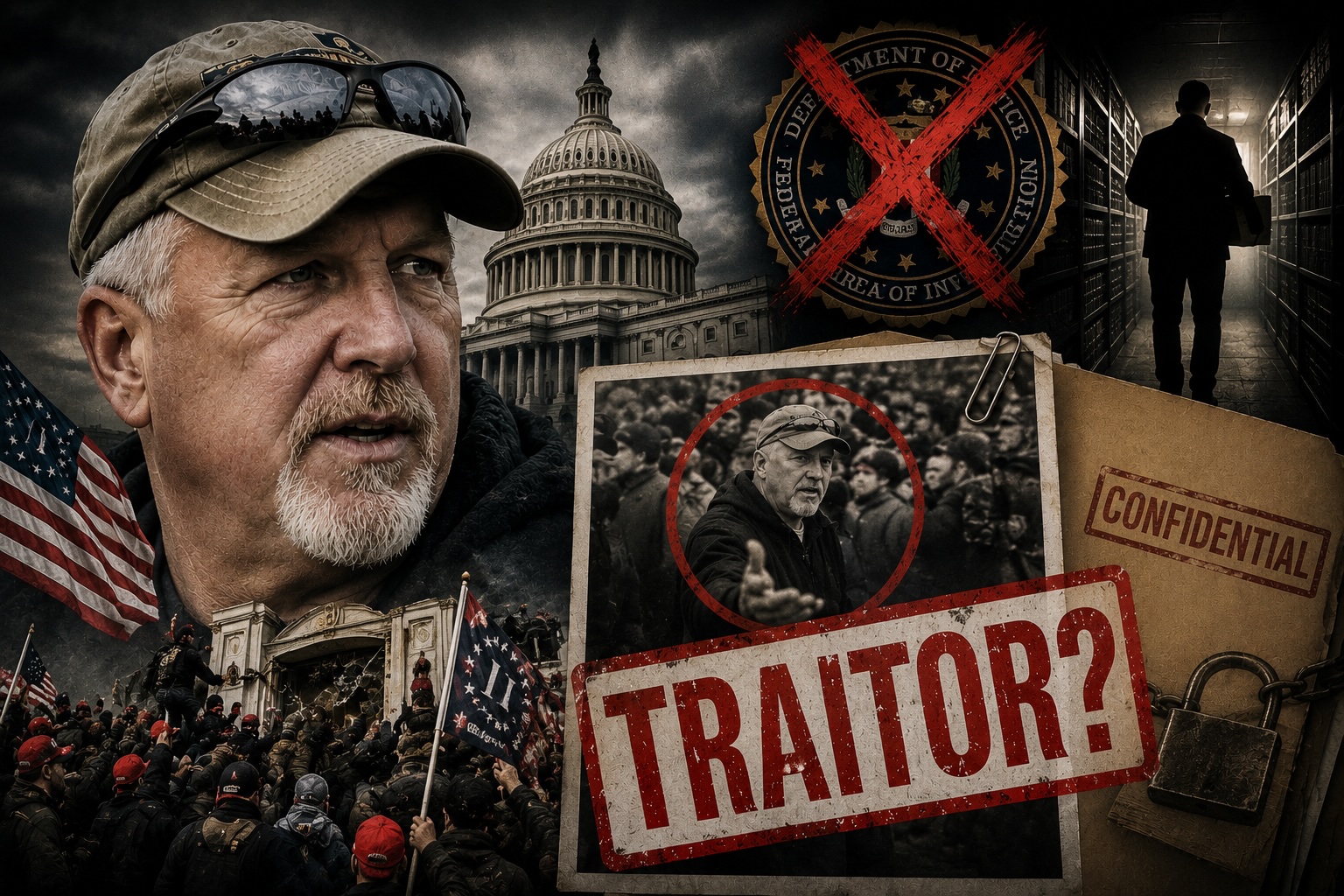
A New Jersey investigative journalist is suing the FBI for records related to Ray Epps, the January 6 figure long scrutinized by conservatives over his treatment by federal law enforcement.
The lawsuit was filed Friday in federal court by journalist Yehuda Miller after the FBI denied his Freedom of Information Act request on privacy grounds.
Miller is seeking records about Epps’ removal from the FBI’s wanted list, as well as communications between the FBI and Epps from January 1, 2020, through January 1, 2025.
The case puts renewed attention on questions that FBI Director Kash Patel himself raised during the Biden years.
Patel previously accused Epps of being a federal asset, pointing to the fact that Epps was removed from the FBI’s Most Wanted list in early 2021.
Patel said at the time that there were only two ways someone could come off that list: either the person died or the person was working for the government.
Journalist Seeks Communications Between FBI and Epps
Now that Patel leads the FBI, Miller is attempting to force disclosure of records that could clarify why Epps was treated differently from many other January 6 participants.
Miller’s lawsuit asks a judge to require the FBI to release communications and directives related to Epps’ removal from the wanted list.
It also seeks communications between Epps and the bureau over a five-year period.
“The public interest in understanding whether the FBI maintained a confidential informant or undercover relationship with Ray Epps, the circumstances of his disparate treatment relative to other January 6 participants, and the FBI’s internal communications and directives relating to his removal from the wanted list substantially outweighs any privacy interest Ray Epps may assert,” the lawsuit states.
“The current FBI Director’s own public statements confirm the significance of this public interest,” the filing adds.
According to FBI records cited in the case, agents had “photographic/and or video evidence that James Ray Epps conspired to and/or recruited others to storm the United States Capitol Building.”
However, a July 29, 2021, FBI report stated that the bureau’s “investigation did not reveal sufficient evidence that Epps … engaged in acts of violence or committed any other criminal violations.”
That finding came despite a video that had surfaced showing Epps pushing a sign into a group of police officers.
pps had also admitted to trespassing on Capitol grounds.
Epps Later Received Probation
The Justice Department appeared to reopen the Epps matter after Rep. Thomas Massie (R-KY), Revolver News, and other conservatives questioned whether Epps was being protected by the government.
Federal prosecutors eventually charged Epps with a single misdemeanor count of disorderly conduct.
He received one year of probation in January 2024.
The outcome fueled further questions among conservatives who argued that other January 6 defendants faced much harsher treatment.
In October, Massie also pressed the Justice Department for records on Epps.
Massie sought internal communications between FBI Headquarters and the bureau’s Phoenix field office, which initially investigated Epps.
He also requested communications between the FBI and the Justice Department about Epps.
Additionally, Massie asked whether the Justice Department, the FBI, or any related component had communicated with Epps before the January 6, 2021, Capitol protest.
Such communications, Massie argued, could show whether Epps had any relationship with the federal government before the riot.
Questions Remain Over FBI’s Handling of Epps
There is no public indication that the Justice Department responded to Massie’s letter.
Miller’s lawsuit now seeks to force answers through the courts.
The case comes as conservatives continue to demand transparency over the federal government’s handling of January 6 investigations.
Epps has denied being a federal agent or informant.
However, the questions surrounding his removal from the FBI’s wanted list, the bureau’s internal assessment of his conduct, and his eventual misdemeanor resolution have remained a flashpoint.
Patel once pointed to Epps as an example of the unanswered questions surrounding January 6.
Now, as FBI director, his bureau is being asked to release the records that could finally show what happened behind the scenes.
