


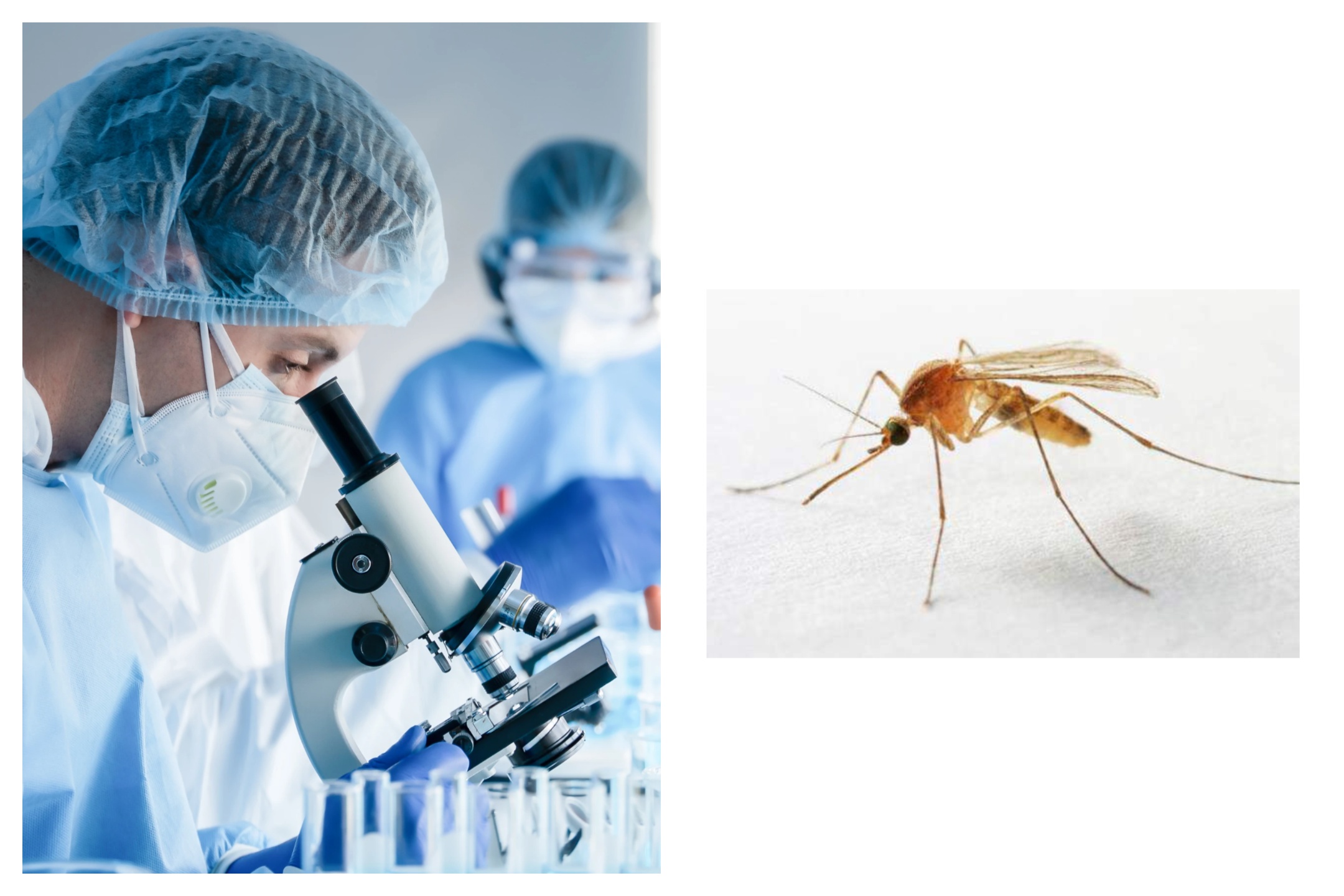
Chinese researchers are advancing a controversial new proposal that raises fresh concerns about the risks of unchecked scientific experimentation: using genetically modified mosquitoes to deliver vaccines to wild bat populations.
In a recent study, scientists outlined a plan to turn mosquitoes—long known as carriers of deadly diseases—into so-called “vaccination tools.” By engineering the insects to carry vaccines for rabies and Nipah virus in their saliva, the researchers claim bats could be immunized either through mosquito bites or by consuming the insects.
The effort is being framed as a solution to a real challenge: how to vaccinate bats, which often live in massive, hard-to-reach colonies and are known carriers of dangerous pathogens. Public health officials have long warned that bats harbor viruses capable of jumping to humans, especially as human expansion disrupts natural habitats.
But while the concept may sound innovative, it also underscores growing global unease about high-risk biological research—particularly when it originates from China, where transparency and oversight have repeatedly been called into question.
The proposed method relies on a weakened virus platform already used in some vaccines, which is introduced into mosquitoes and replicated in their salivary glands. In controlled lab experiments, animals exposed to these engineered insects developed antibodies and survived rabies infection. However, real-world application remains far from proven.
Even some scientists involved acknowledge the complexity and uncertainty. Releasing vaccine-carrying mosquitoes into the environment would require extensive regulatory approval and raises obvious ecological and safety questions. Once released, such organisms cannot simply be recalled if unintended consequences arise.
Critics also point out that the science itself is far from settled. There is limited understanding of how bat immune systems respond over time, whether such vaccines would actually prevent disease transmission, or if they could inadvertently alter ecosystems in unpredictable ways.
More fundamentally, some experts argue that the problem is being misdiagnosed altogether. Rather than attempting to manipulate wildlife with experimental biotechnology, they say the focus should be on reducing human encroachment into natural habitats and addressing practices like wildlife trafficking that increase the risk of disease spillover.
The proposal comes at a time when trust in global scientific institutions remains fragile, particularly following the COVID-19 pandemic and ongoing debates over gain-of-function research. For many Americans, the idea of releasing engineered insects into the wild—especially by foreign governments—raises more red flags than reassurance.
It should be no surprise that the Chinese continue to play god and engineer these lab-created abominations. And they are not the only ones to do it. There have been no consequences from the COVID pandemic and lockdown policies that came from the American Mengele, Dr. Anthony Fauci. So why should anyone be concerned when they always get away with it? It is time for justice to be achieved against these demonic scientists, one way or another.
