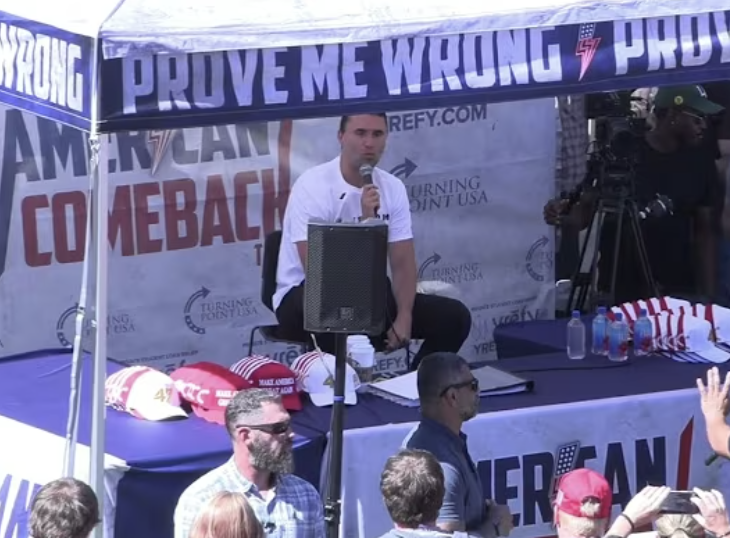
An outside assessment found that Utah Valley University had significant security shortcomings before Charlie Kirk was killed during an outdoor Turning Point USA event, according to The Federalist.
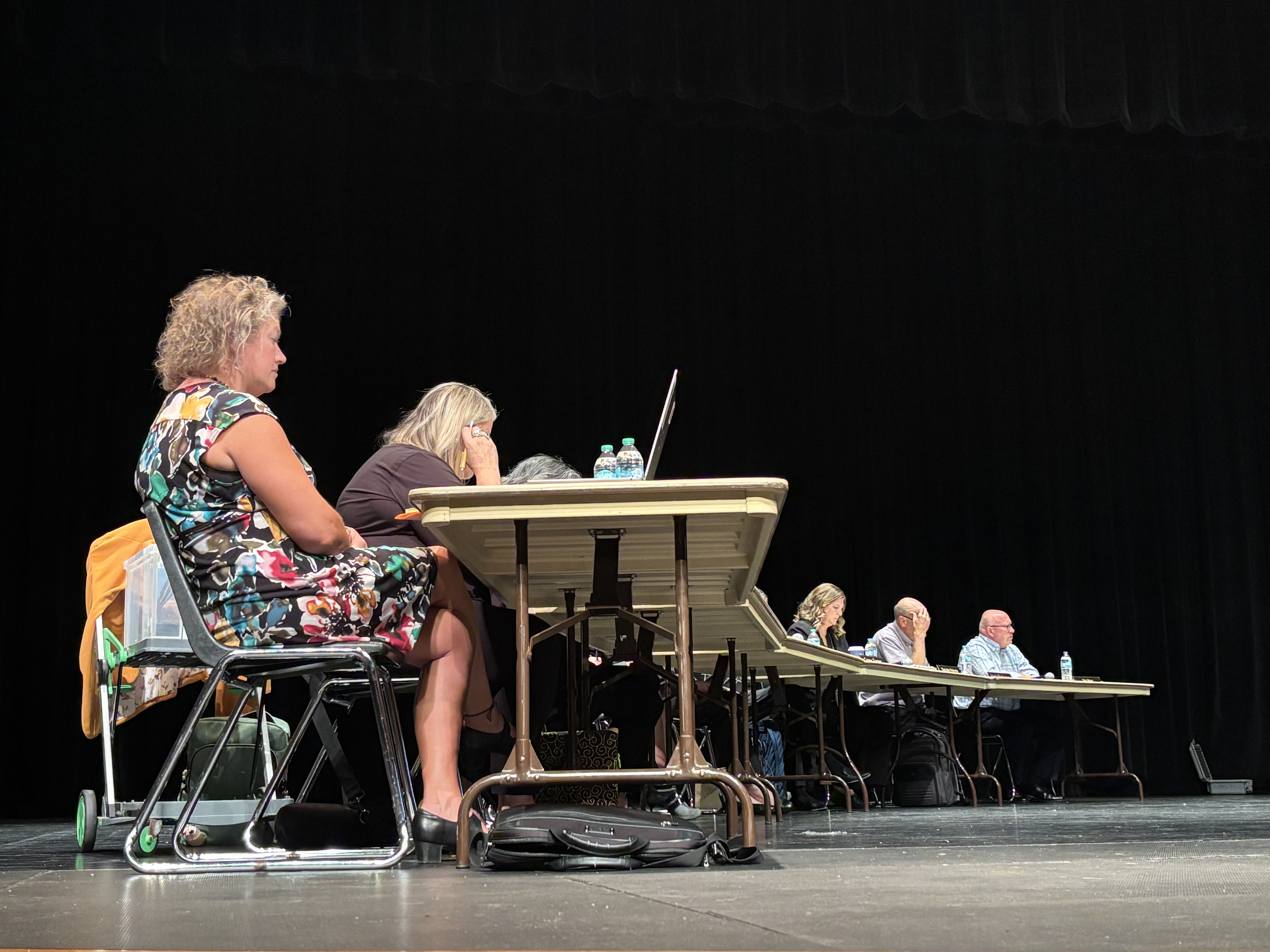
The review did not find evidence that university employees acted in “bad faith or in willing and wanton disregard for the safety of others.” Still, its findings described security gaps and failures by UVU officials to follow their own policies.
The university hired the Lake Forest Group to examine the circumstances surrounding Kirk’s killing. The report considered the event’s security preparations, the response after the attack, campus policies, coordination with outside agencies, and available security technology.
Kirk spoke at the first event of his American Comeback Tour before roughly 3,000 people, including his wife and young children. The Kirk family has argued that UVU failed to provide sufficient protection for a high-profile conservative speaker at a large outdoor event.
“UVU security was woefully understaffed and unprepared to manage the obvious risks associated with an event of this nature,” Kirk family attorney Brett Parkinson said in a statement to The Federalist. “UVU hosted this event, and in doing so, assumed responsibility for the safety of all in attendance, including Charlie.”
According to The Federalist, the initial staffing plan called for only three campus officers. Campus police chief Jeff Long sought additional support after assessing the crowd, which ultimately brought the deployment to six university officers. Two plainclothes officers from Utah State University were also present, though they attended only as observers.
The assessment recommended that UVU conduct a formal review of police staffing. It also said campus leaders should establish stronger mutual aid agreements and coordinate earlier with neighboring law enforcement agencies.
“Staffing limitations should be addressed through advanced planning, mutual aid agreements, and coordination with nearby law enforcement partners or university police agencies,” the report advises.
The report also identified a major surveillance failure. No staff member had been tasked with watching relevant camera footage as the event unfolded. Police used those recordings after the shooting to trace the alleged assailant, Tyler Robinson, but the Kirk family has argued that live monitoring could have alerted officers to a rooftop threat before the attack.
“If such footage had been monitored in real-time, Kirk’s tragic death could have been avoided,” the notice of claim asserts.
The reviewers found that UVU had not created a comprehensive written security assessment or formal action plan. Such a document could have identified staffing needs, clarified responsibilities, planned mutual aid, assigned posts, and established security rules before the event.
“A site-specific coordination meeting involving UVUPD protection detail should have occurred several days before the event to assess vulnerabilities, clarify responsibilities, and determine whether available personnel and resources were sufficient to support the security plan,” the report states.
UVU had offered other venue options, including indoor locations. Turning Point USA chose the courtyard, but the review concluded the university should have controlled decisions that directly affected safety.
“UVU should have retained decision-making authority over key security-related issues, including venue selection, ticketing, access control, and other conditions necessary to support campus safety,” the report states.
“The buck stopped with UVU leadership and law enforcement,” Parkinson said. “Justice for Charlie and his family requires true accountability for UVU’s fatal shortcomings that day.”
UVU President Jon Anderson said the university would use the findings to improve its practices.
“Our commitment does not end with this report,” Anderson said. “Its findings will guide our continued safety efforts as we move forward together with care, civility, and resilience.”
America now faces a political climate where public speakers and citizens cannot assume their security will be protected by routine procedures. Tougher event planning, visible law enforcement coordination, perimeter controls, rooftop surveillance, and real time monitoring are basic requirements for preserving free speech and public safety.