
With the Iran deal being signed earlier this week, numerous critics on the left and right have criticized it. Ted Cruz (R-TX), Bill Cassidy (R-LA) and Chuck Schumer (D-NY) have come out against the deal. The details of the agreement are available here.
The deal certainly isn’t perfect: While the key point, Iran giving up its nuclear ambitions, is there, the deal also provides that the Gulf States would invest $300 billion in Iran, and all strikes in Lebanon, from both sides, would stop. Further, the deal leaves the Iranian Revolutionary Guards Corps in power. So with so many negatives, why did Trump agree to it?
The Midterms
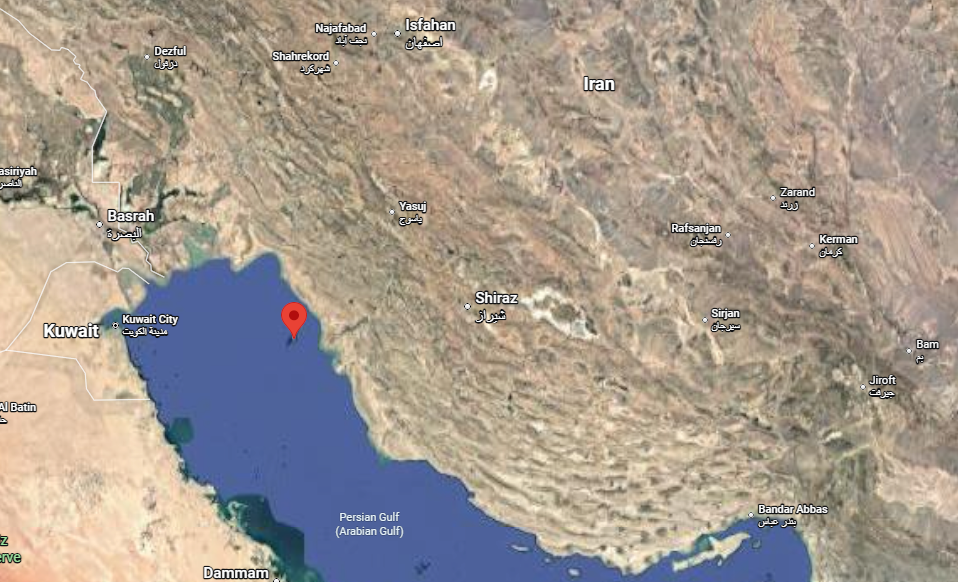
Trump was able to force Iran to the bargaining table because he threatened to land US Marines on Kharg Island and take control of its oil processing facilities. 90% of Iranian oil flows through Kharg Island, because most of Iran’s coast in the Persian Gulf is unsuited to oil tankers. Trump was able to credibly threaten this because he could argue that taking Kharg Island was not an invasion of the Iranian mainland and not a “regime change war.” He would have been correct on both accounts: Kharg Island is not part of mainland Iran, and taking over an oil processing facility isn’t getting the US involved in a regime-change conflict.
The reason President Trump was pushing heavily for a deal is the Midterm elections this fall. With gas prices at over $4/gallon on average nationally, Trump had to act to lower gas prices by opening the Strait of Hormuz. The average American cares about kitchen-table issues such as the cost of living, not who is ruling in Tehran. Since the opening of the Strait of Hormuz, the price of crude has dropped to ~$74/barrel, down from a high of around ~$95/barrel.
And yes, the Midterms are important: Democrats have signalled they are willing to impeach Trump again. If the GOP loses control of Congress, the Democrats will impeach him and possibly remove him from office. And then manufacture a false allegation to remove JD Vance from office. With the President and Vice President removed, the Speaker of the House would then assume the presidency, and if the Democrats control Congress, this individual would undoubtedly be a Democrat.
Why America Should Stop Complaining That the IRGC Remains in Power
One of the biggest criticisms from the right has been that the deal leaves the IRGC and the Mullahs in power. To a certain extent, I would agree with them. However, there is one reason that the IRGC and Mullahs will remain in power, and many of you may not want to hear it: You weren’t willing to sacrifice the lives of 50,000 American troops to remove them.
It is a luxury belief that we can have security without shedding blood for it. And oftentimes, the same people screaming the loudest about “NO MORE OVERSEAS WARS” have never themselves served in an overseas war, although many, but not anywhere close to a majority, have. I served in both Iraq and Afghanistan, and did humanitarian aid in Ukraine. My challenge to Americans that they won’t have security without the willingness to risk their lives does not come from the keyboard, but from having risked my life for American security personally.

It would be ideal to get the IRGC out of power and allow a democratic transition to take place. Unlike Iraq in 2003, the people of Iran oppose the regime, and an overwhelming majority, 89%, want democracy. The reason the IRGC is in power is that Americans are wholly unwilling, after the disasters in Iraq and Afghanistan, to sacrifice American blood for American security.
While I find this sentiment disgusting, I can understand and empathize with those who share it: America was led into Iraq by false intelligence fabricated by the CIA. Afghanistan began as a justified mission since the Taliban was hiding Osama bin Laden, but its scope creeped into a nation-building mission. 20,000 Americans lost their lives. The Obama Administration compounded these mistakes by entering Libya and Syria. It is natural and human to be wary of overseas conflict after such failures.
However, we cannot let the failures of the past blind us to the reality of the present: If you want Iran permanently and completely removed as a threat to the United States, you aren’t going to get that outcome on the cheap. It will cost lives, and if the United States isn’t willing to sacrifice our young men and women for their children’s future, then one could argue the country is already lost.
The Long Game
The Iran deal is best compared to the Treaty of Versailles in 1919 at the end of World War I. French General Ferdinand Foch, Commander-in-Chief of the Allied Forces on the Western Front, famously said, “This is not a Peace. This is an Armistice for 20 years.”
The purpose of this peace for American patriots is to lower gas prices before the midterms and make sure the Democrats can’t impeach Trump again. The purpose of the peace for the Iranians is to regroup after seeing their military utterly devastated. Iran is certainly going to violate the deal at some point in the future: not even Chuck Schumer thinks they are truly abandoning their desire for a nuclear weapon or plan on being a good-faith actor in the region.
However, the Iran Deal sets up a framework Trump can use if and when Iran does violate the deal: He can tell the American people, “I tried to make a fair deal. The Iranians violated it. Here is why we need to enforce it with the full force of the US military.”
There is a small chance that Iran truly plans on abandoning their nuclear ambitions and becoming a good-faith actor in the region. That is the outcome I personally hope for, but I wouldn’t bet money on it. In the words of George Washington, “To be prepared for war is the most effectual means of preserving peace.”
We must abandon the luxury belief that we can have security without shedding blood. This is no longer the 1990s when the US was the unparalleled global hegemon and security could be taken for granted. That was a historical anomaly that is unlikely to happen soon. For the vast majority of our history, American national security was purchased in blood, from Yorktown to Gettysburg to the Meuse-Argonne to the beaches of Normandy and Iwo Jima and the frozen wasteland of the Chosin Reservoir. If you want security and prosperity but aren’t willing to shed blood to secure either, you will lose both.