


In the aftermath of Los Angeles’s recent mayoral primary, it appears that the Left does not quite have a total grip on the city’s politics — for now, at least.
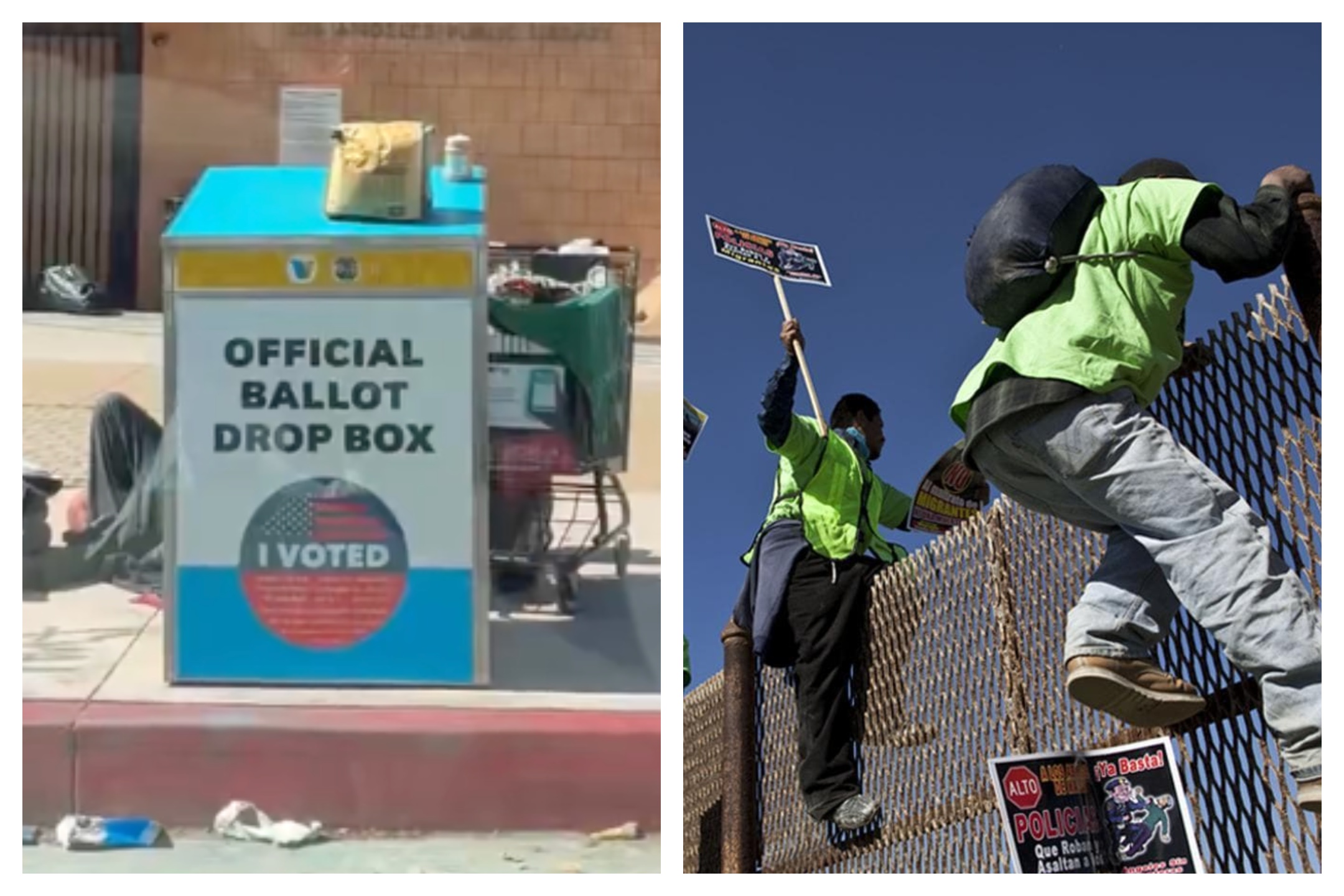
The Los Angeles City Council was recently planning to put forth a ballot measure to voters that, if passed, would allow illegal aliens to vote in municipal and school district elections. However, the council has since decided against this, at least for the upcoming November midterms.
Part of the backlash to the proposal appears to have come from local racial politics. Black community and religious leaders have expressed concern that allowing illegals to vote would further dilute their representation, which has already declined due to the decline in LA’s black population.
Councilman Traci Park, meanwhile, opposed the measure because she said it was poorly written. According to her, “My concern is that if this goes to the ballot, the voters won’t really know what they’re voting for, because we don’t really know either.” Councilman John Lee was wary of the measure based on the fact that illegals’ voter registration information could be shared with ICE.
Notably, none of the official opposition to the proposal came from political leaders who simply think it is a terrible idea. Councilman Hugo Soto-Martínez, who originally pushed for the measure, compared it to historical decisions expanding suffrage to women and black citizens. Left undiscussed was why exactly people should be allowed to illegally cross the border and be granted the same rights and privileges as U.S. citizens.
Unfortunately, LA’s upcoming mayoral election will be between an incumbent Democrat and a Democratic Socialist challenger who have expressed openness toward allowing illegal aliens to vote. Mayor Karen Bass and Councilman Nithya Raman both gave equivocal answers on the question during a debate prior to the mayoral primary. It’s safe to say their “open-minded” approach to the issue will only trend in one direction.
For now, it is at least good news that the ballot measure won’t be voted on until 2028. When that decision comes, hopefully Los Angeles voters will show more wisdom on the issue than their current local representatives.
