


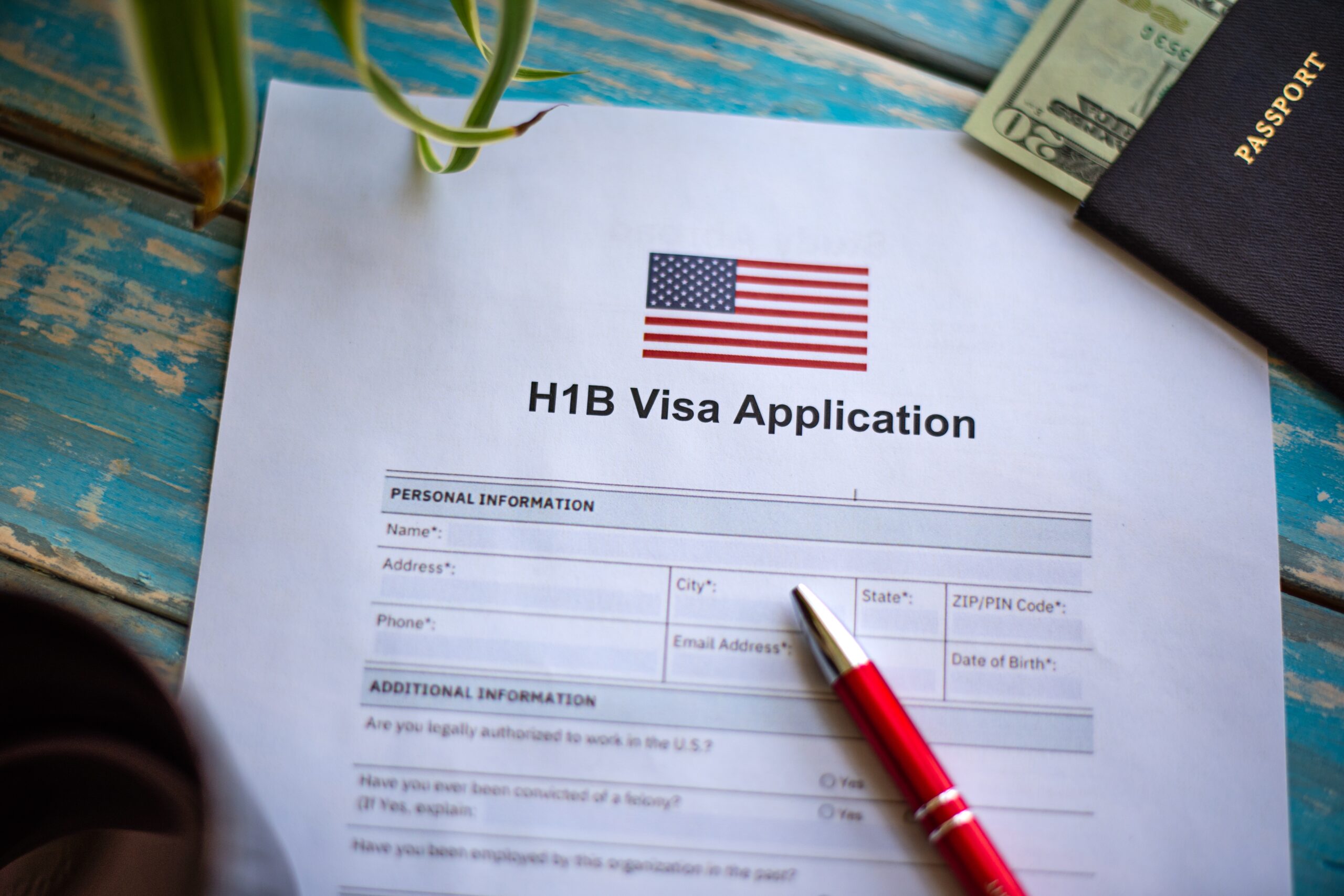
A Dramatic Collapse in H-1B Applications Shows Trump’s Reforms Are Finally Starting to Protect American WorkersA sharp 38.5 percent drop in H-1B visa registrations is the clearest sign yet that the long-abused foreign labor pipeline is finally being reined in.
New data from U.S. Citizenship and Immigration Services, according to reports, shows registrations plunged from 343,981 in fiscal year 2026 to just 211,600 for 2027. For years, the H-1B program functioned less as a tool for genuine high-skilled talent and more as a loophole for corporations to import cheaper foreign labor.
Large tech and outsourcing firms gamed the system by flooding it with applications, often for lower-wage positions, while sidelining qualified American workers — especially younger graduates and laid-off professionals.
The Trump administration has begun dismantling that model. By raising wage requirements and increasing costs for employers, the administration has made mass, low-quality applications far less attractive.
The results are already visible.USCIS itself acknowledged the shift, stating that “the days of abusing the program with mass, low-wage registrations are over.”
Officials credit the reforms with restoring the program’s original intent: attracting truly skilled workers while protecting American wages and job opportunities.
The data backs this up. A much higher share of selected applicants now hold advanced U.S. degrees — 71.5 percent have a master’s or higher. Meanwhile, approvals in the lowest wage category have fallen to just 17.7 percent.
This is not a minor adjustment. It is a direct rebuke to the old system that allowed companies to suppress wages by importing foreign labor.
Critics have long argued that H-1B was never truly about filling genuine shortages. It was a corporate subsidy that prioritized cheap foreign workers over American talent. The contradiction has become impossible to ignore in the tech sector, where companies have conducted widespread layoffs of U.S. workers while continuing to seek foreign replacements.
Mark Krikorian of the Center for Immigration Studies has been blunt about the program’s fundamental flaws. He argues that incremental tweaks will never be enough. “Only the real solution is to abolish the H-1B program,” Krikorian has stated.
Many Americans increasingly agree that a system so easily exploited at scale cannot be meaningfully fixed.While the new weighted selection process and higher costs have delivered meaningful results, the underlying structure of H-1B remains problematic.
The program still allows companies to look overseas before fully exhausting the domestic workforce. That core flaw continues to disadvantage American workers.Proposals to replace the lottery with a strict salary-based system would further reduce incentives for companies to import lower-cost labor.
Such changes would better align the program — if it is kept at all — with the national interest rather than corporate bottom lines. Public frustration with H-1B has grown for good reason. Many Americans see a system that too often puts foreign workers ahead of citizens, especially at a time when millions of working-age Americans are struggling to find stable employment in tech and other skilled fields. The Trump administration’s early moves represent a long-overdue course correction.
By making the program more expensive and less attractive for mass low-wage hiring, it has begun rebalancing the labor market in favor of American workers. Whether these gains are sustained will depend on continued pressure to put American workers first.
The sharp decline in applications is not a problem to be fixed. It is evidence that the system is finally responding to basic principles of fairness and national priority.
