


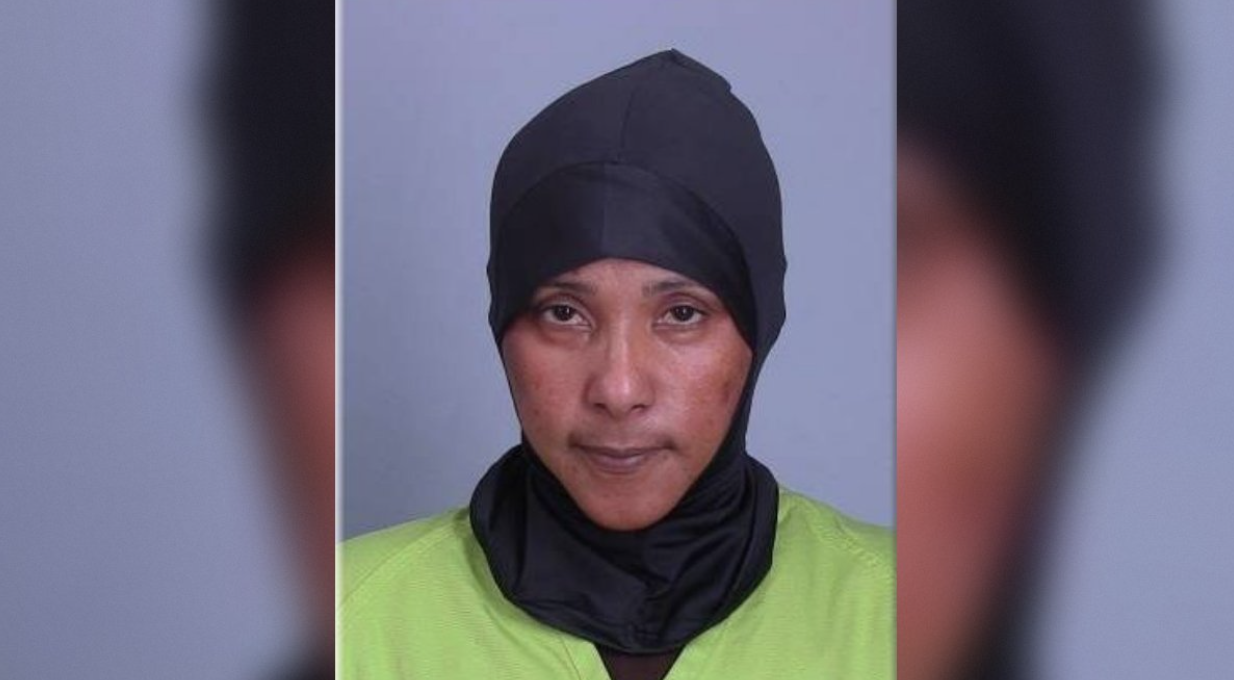
A central figure in one of the largest COVID-era fraud scandals in U.S. history is now facing a fresh wave of federal charges, as prosecutors allege millions more in taxpayer funds meant for children were siphoned off in a brazen second scheme.
Fahima Egeh Mahamud, owner of the Future Leaders Early Learning Center in south Minneapolis, has, according to the New York Post and other sources, been charged with wire fraud and conspiracy to defraud the United States. The case adds yet another layer to the already explosive “Feeding Our Future” scandal.
Mahamud was previously indicted in connection with the staggering $250+ million fraud operation that rocked Minnesota and exposed widespread abuse of pandemic-era meal programs. That program was intended to feed vulnerable children during COVID.
Now, federal prosecutors say she didn’t stop there. Instead, they allege she launched a parallel scheme—pocketing an additional $4.6 million through fraudulent childcare claims.
According to court documents, Mahamud turned her daycare into a pipeline for taxpayer cash. Investigators say the operation relied on fabricated numbers, false certifications, and outright deception.
Between January and July 2021, she allegedly submitted more than $826,000 in reimbursement claims through Feeding Our Future. Prosecutors say those claims were wildly inflated.
In reality, authorities say the daycare served only a fraction of the meals it claimed. The rest existed only on paper.
To support the scheme, prosecutors allege Mahamud used fake meal count sheets, falsified child rosters, and inflated invoices. These documents were designed to create the illusion of a thriving operation.
Behind the paperwork, investigators say, the activity simply wasn’t there. The money, however, kept flowing.
But the alleged fraud didn’t end with meal programs. Prosecutors say Mahamud also exploited Minnesota’s Child Care Assistance Program, targeting funds meant for struggling families.
Between October 2022 and December 2025, she allegedly filed more than 13,000 fraudulent claims. The total: roughly $4.6 million.
Those claims, prosecutors say, falsely certified that required co-payments had been collected from families. In reality, those payments were never made.
That certification is a key requirement for reimbursement. By falsifying it, authorities say, Mahamud unlocked millions in taxpayer funds she was never entitled to.
Investigators allege the money didn’t go toward childcare services. Instead, it was diverted for personal enrichment.
According to federal authorities, the funds were used for real estate purchases and funneled into affiliated business entities. In other words, taxpayer money meant for kids was allegedly turned into private profit.
The case gained national attention after the daycare was featured in a viral investigation by independent journalist Nick Shirley. His video showed what appeared to be empty or underutilized childcare centers still receiving massive funding.
The footage raised serious questions. How were facilities with little visible activity claiming such large reimbursements?
Public outrage followed quickly. For many Americans, the video confirmed long-standing concerns about fraud in government programs.
Authorities say Mahamud’s actions went on for years. The scale of the alleged fraud suggests systemic weaknesses in oversight.
The situation escalated earlier this year. On February 10, 2026, Mahamud abruptly notified state officials that her daycare would be closing.
Days later, investigators say she booked a flight to the United Kingdom. A return ticket was scheduled just days after her departure.
To authorities, the timing raised red flags. She was arrested before she could leave the country.
For critics, the case underscores a deeper problem. Massive government programs—especially those rolled out quickly during the pandemic—became prime targets for exploitation.
Billions were distributed with limited safeguards. In cases like this, critics say, that lack of oversight proved costly.
The fallout has sparked renewed calls for accountability. Lawmakers and watchdogs are demanding stricter controls on taxpayer-funded programs.
There are also broader concerns about enforcement. Critics argue that weak oversight and slow response times allowed fraud networks to flourish.
For many Americans, the anger is personal. These programs were meant to help children and families—not enrich fraudsters.
The scale of the alleged abuse has eroded trust. It has also intensified scrutiny of how public funds are managed at both the state and federal level.
Mahamud now faces serious federal charges that could result in significant prison time. Prosecutors are signaling that they intend to pursue the case aggressively.
But the investigation may not be over. Authorities have indicated that additional charges—or additional suspects—could still emerge.
For now, the case stands as a stark warning. When oversight fails, the consequences are measured not just in dollars—but in lost trust and broken systems.
