


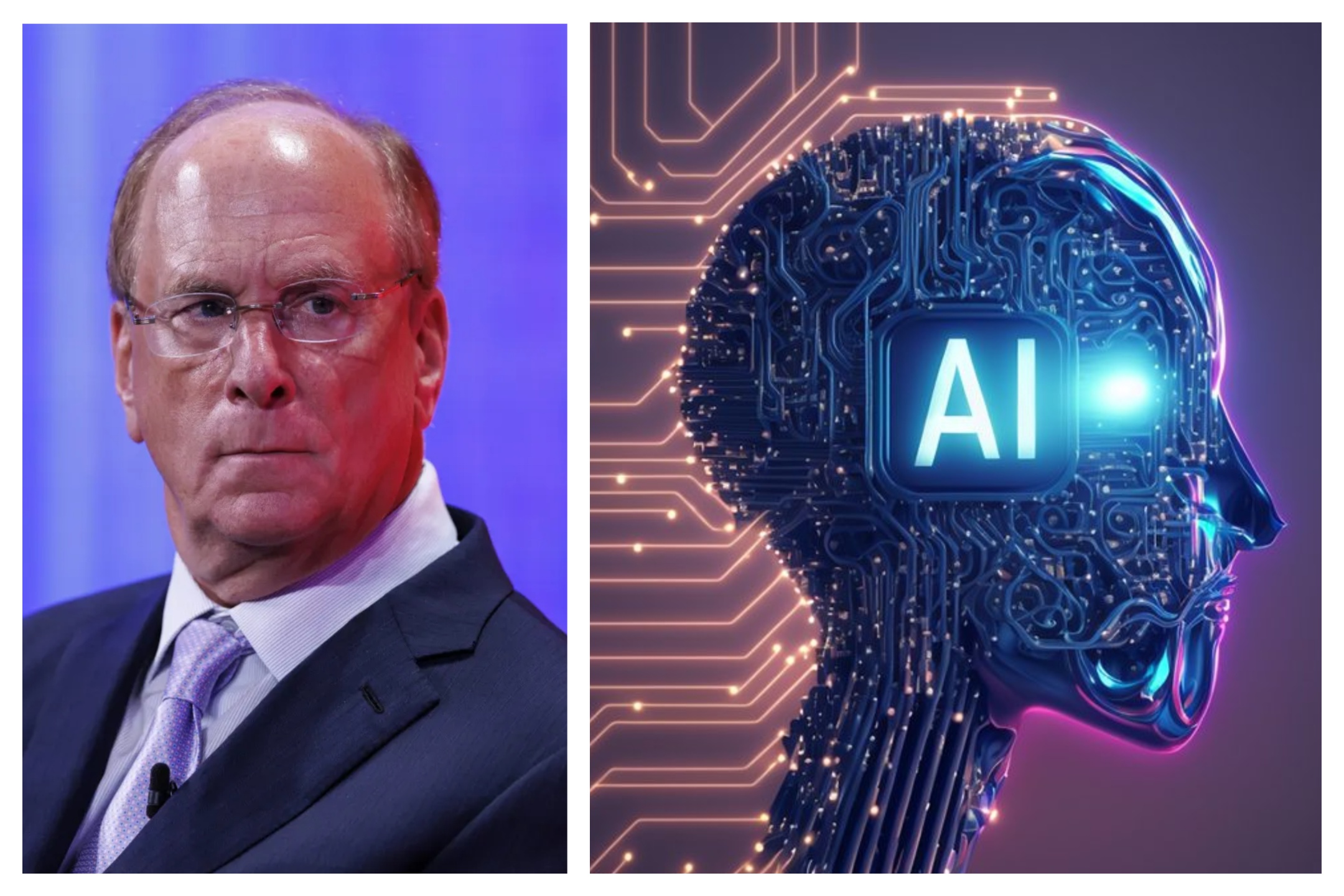
BlackRock CEO Larry Fink warned that this year’s graduating seniors may confront the toughest job market for young college graduates in over ten years as artificial intelligence swiftly reshapes the entry level roles that have historically served as launching pads for careers, Fortune reported.
Addressing BlackRock’s 2026 Infrastructure Summit, Fink voiced deep concern about the prospects facing this year’s graduates.
“I’m worried that when this year’s college graduates enter the workforce, we could see the highest unemployment rate among them in years—even without a recession,” the 73 year old remarked.
Fink pinpointed technology as the primary driver upending career trajectories for young Americans.
“The speed at which AI is changing, we’re not adapting our society fast enough,” he added. “Really post World War II, the pathway to a white-collar job was a college education, and AI is going to disrupt many of those types of jobs.”
Available data reinforces his apprehension. The unemployment rate for recent college graduates between ages 22 and 27 now sits at 5.6 percent, according to the Federal Reserve Bank of New York, nearing levels unseen since 2013 apart from the pandemic years. The battle for open positions has grown considerably fiercer. Job listings on Handshake, a platform linking college students with potential employers, declined more than 16 percent between August 2024 and August 2025, while the average number of applicants per listing climbed 26 percent.
Despite sounding the alarm, Fink dismissed the argument that college has become worthless. He cited his own path after earning a political science degree from UCLA in 1974, feeling ill equipped for professional life, subsequently obtaining an MBA, and eventually constructing BlackRock into the largest asset management firm on the planet.
“The key for life for everyone is to find their purpose,” Fink stated. “For some people, their purpose will remain to get a four-year or advanced degree, and they could take that forward—but that’s not going to be the pathway for everybody.”
The area witnessing soaring demand without adequate supply is the skilled trades, propelled in part by the buildout of AI infrastructure like data centers.
“[AI] is going to create many jobs and we’re not prepared as a society to fulfill those jobs,” Fink observed. “And to me, this is a crisis.”
BlackRock pledged $100 million last week toward skilled trade initiatives designed to train 50,000 workers over five years in occupations such as electricians, HVAC technicians, plumbers, and ironworkers.
“AI is going to create a lot of skilled jobs needs and the biggest issue confronting our country today and other countries is the speed at which this change is occurring,” Fink noted.
The previous year, BlackRock spearheaded a consortium of investors that included Microsoft and Nvidia in acquiring Aligned Data Centers for $40 billion.
Fink’s gloomy assessment resonates with those responsible for hiring. More than half of employers describe the job market for the class of 2026 as “poor” or “fair,” according to a survey conducted by the National Association of Colleges and Employers, marking the most pessimistic outlook since the pandemic’s onset.
Other corporate leaders offered a more encouraging perspective. AMD CEO Lisa Su highlighted the possibilities available to graduates willing to harness the new technology.
“The Class of 2026 will be graduating at an exciting time, as AI transforms our world and expands what is possible,” she stated upon being announced as MIT’s 2026 commencement speaker. “And I look forward to celebrating them as they prepare to share their skills and ideas with the world.”
Bank of America CEO Brian Moynihan recognized the unease gripping young workers while urging them to transform it into motivation.
“If you ask them if they’re scared, they say they are. And I understand that,” Moynihan told CBS News. “But I say, harness it … It’ll be your world ahead of you.”
The upheaval AI is inflicting on American workers necessitates a sweeping economic response grounded in industrial policy, strategic tariffs, and intelligent deployment of emerging technologies to forge a strong 21st century economy.
Safeguarding American workers further demands a complete moratorium on both legal and illegal immigration to stop foreign labor from suppressing wages and pushing citizens out of jobs during this transformative period. AI has arrived permanently, and an America First framework must harness it for the benefit of ordinary Americans rather than permitting globalist corporations to wield it as yet another instrument for displacing the domestic workforce.
